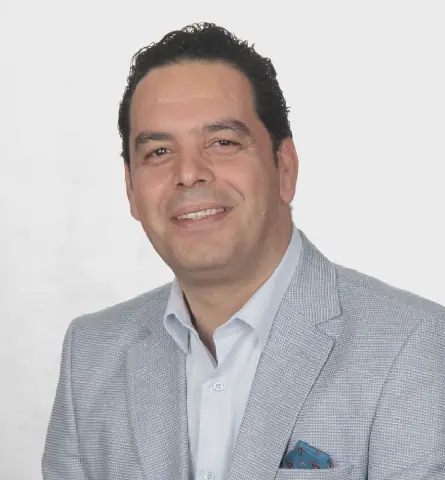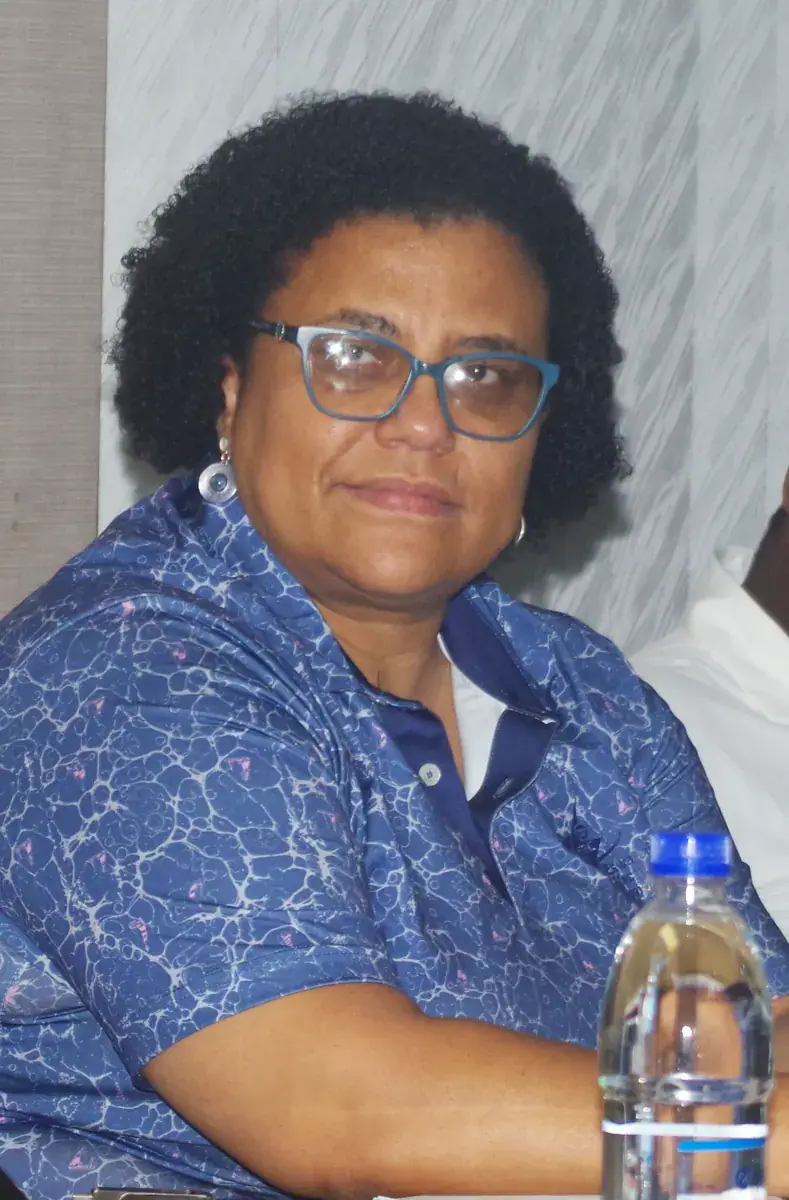
The Eswatini Electricity Company (EEC) is dealing with ongoing fraud cases, according to acting Managing Director Candy Stromvig. She revealed this during a consultative exercise on a proposed electricity tariff hike at Thokoza Centre in Mbabane. Stromvig stated that the company is working on several cases and undertaking disciplinary actions. One of the cases involves a retail outlet in the city.
EEC is also spending millions of Emalangeni on overtime, which has raised concerns among stakeholders, including businessman Walter Bennett. Bennett questioned the Eswatini Energy Regulatory Authority (ESERA) on what it was doing to address the issue. In response, EEC stated that it has taken measures to reduce overtime costs. According to Mphumuzi Maziya, one of the major causes of overtime is emergencies, which can arise even during storms.
To reduce overtime costs, EEC is doing maintenance of its infrastructure before emergencies arise. This work ethic, Maziya said, reduces the cost of overtime. Additionally, EEC has started using underground cables in some parts of the country, including Mbabane, Manzini, and Siteki. This move aims to improve the efficiency and reliability of the electricity supply.
During the consultation, Bennett questioned the purpose of public consultations conducted by ESERA if the government can subsequently interfere with decisions made by the regulator. He argued that such interventions undermine the purpose of having an independent regulatory authority responsible for overseeing the energy sector. Bennett suggested that once ESERA has completed its consultations and agreed on an electricity tariff adjustment, the government should allow the regulator's decision to stand.
Bennett also expressed concerns about the affordability of electricity in the country. He questioned what measures had been taken to ensure that electricity remained affordable for consumers, arguing that there appeared to be limited progress despite the availability of different options for generating electricity. Bennett emphasized that electricity should be affordable and wanted to know what practical steps were being taken to address the cost of power for consumers.
Other participants at the consultation called for increased efforts to generate electricity locally instead of relying heavily on imports from South Africa. They argued that the country should explore ways of increasing domestic electricity generation to reduce its dependence on external sources. This suggestion aims to improve the country's energy security and reduce the costs associated with importing electricity.
The consultation exercise is part of ESERA's efforts to engage with stakeholders on the proposed electricity tariff hike. The regulator's operations include processes through which relevant expertise is obtained, including the use of consultants to provide assistance during public consultations. The outcome of the consultation will inform the regulator's decision on the proposed tariff adjustment.
Key points
- EEC faces fraud-related disciplinary issues and high overtime costs.
- Stakeholders raise concerns about electricity tariff hikes and affordability.
- Participants call for increased efforts to generate electricity locally.
Reporting sources
- Fraud-related disciplinary issues at EEC – acting MD · Times of Swaziland