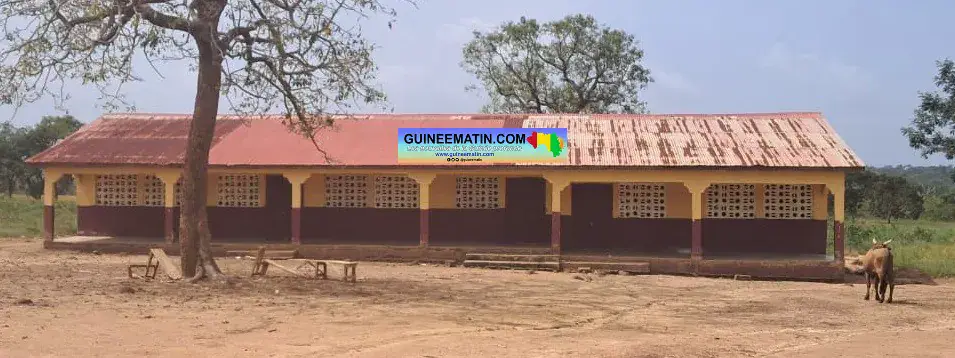
The town of Thiéwa, located in the Beyla administrative region of Guinea, continues to grapple with significant educational challenges. Although a college was established through community efforts to provide secondary education to local children, the institution faces numerous difficulties that hinder its operation. These challenges include a shortage of infrastructure, problems with water supply, and poor academic performance in entrance exams for 7th grade. Local authorities are concerned about the impact of these issues on the quality of education provided.
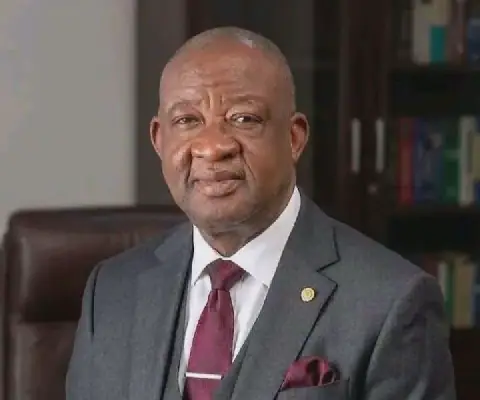
According to Sékou 1 Touré, the mayor of Thiéwa, the college currently hosts students in 8th and 9th grades, but lacks a 7th-grade class due to the low number of students who passed the entrance exam. The mayor explained that the state has provided teachers, and there are also contractual teachers, but the limited number of students admitted to 7th grade has restricted the establishment of a corresponding class. This situation highlights the difficulties faced by the community in ensuring the continuity of students' education.
The college in Thiéwa suffers from a significant infrastructure deficit. Despite being built through community efforts, the institution lacks a perimeter fence and faces persistent water supply issues. The mayor noted that a water point was created within the college, but it does not function permanently. Additionally, the community had constructed a mechanical borehole, but its operation has not provided a sustainable solution to the water needs of the population.
The water supply issue is not unique to the school, as the entire community faces challenges in accessing clean water. The mechanical borehole, equipped with motors for drilling, was constructed to address this need. However, the project did not achieve the desired depth, resulting in intermittent water supply disruptions. This situation further exacerbates the challenges faced by the community.
To improve the quality of education and enhance student success, the mayor urged educational authorities to strengthen teacher supervision, support teacher training, and increase accountability among all education stakeholders. He emphasized that academic performance is not solely dependent on students, but also requires better teacher preparation, regular pedagogical monitoring, and effective parental involvement.
The mayor stressed that addressing the educational challenges in Thiéwa requires a concerted effort from the state, educational authorities, teachers, parents, and the community. He called for a comprehensive approach to transform the existing efforts into sustainable results, providing children with better learning conditions and increased opportunities for success.
Ultimately, the situation in Thiéwa underscores the need for collaborative action to address the educational challenges faced by the community. By working together, stakeholders can help ensure that local children have access to quality education and improved prospects for their future. Key efforts will focus on infrastructure development, teacher support, and enhancing student outcomes.
Key points
- Local authorities are calling for increased support from the state to address infrastructure and educational challenges.
- The lack of a 7th-grade class and poor academic performance are significant concerns.
- Community-led initiatives have established a college, but sustaining it requires broader support.