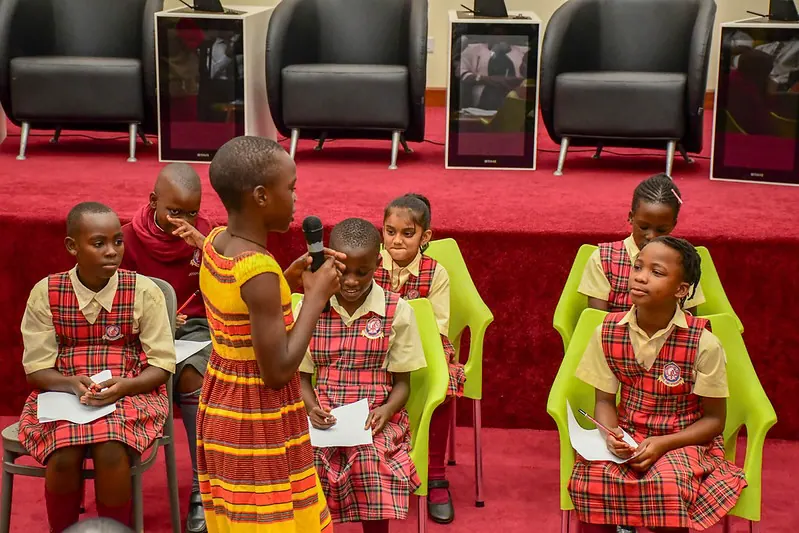
Education stakeholders in Uganda have called for enhanced support for learners with dyslexia, emphasizing the need for stronger research, early identification, and better teacher preparation. This call was made during the fourth National Dyslexia Awareness Day, held at the Makerere University School of Public Health Auditorium. The event brought together a diverse group of participants, including researchers, educators, parents, learners, and representatives from government and disability organizations.
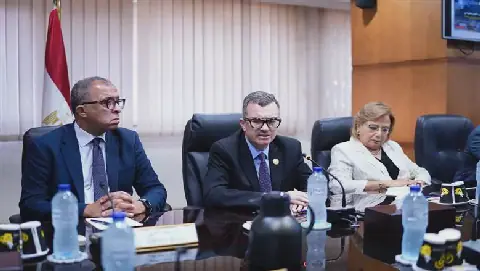
The National Dyslexia Awareness Day event was organized under the theme “Embrace neurodiversity and celebrate the unique strengths of individuals with dyslexia – through every stage and every transition.” The focus was on recognizing different learning needs and improving support as learners progress through school, higher education, and into adult life. Prof Bruce Kirenga, principal of Makerere University’s College of Health Sciences, represented the vice chancellor, Professor Barnabas Nawangwe.
In the vice chancellor’s message, Prof Kirenga emphasized the need for research to establish the extent and nature of dyslexia in Uganda. He also stressed the importance of closer cooperation between researchers, educators, families, and government. The message highlighted that teachers and parents should endeavor to learn the differences of their learners and children. This, according to the vice chancellor, would help in providing the necessary support.
Prof Fred Masagazi Masaazi, director of the Makerere Institute of Teacher Education and Research, highlighted the importance of collaboration among university leaders, educators, and researchers in advancing dyslexia awareness and inclusive education. Dr Charles Kyasanku presented a research paper at the event, highlighting Makerere’s contribution through teacher training, research, and assessment to strengthen understanding of dyslexia and support inclusive education.
The organizers of the event identified several barriers facing individuals with dyslexia, including limited awareness, gaps in identification and assessment, and inadequate support services. They also highlighted the stigma experienced by learners whose reading and writing difficulties are mistaken for a lack of ability or effort. The initiative calls for support that begins early and continues across education levels, with attention to learners’ self-esteem, individual abilities, and access to appropriate learning resources.
The focus of the initiative extends to students in higher education, where learning differences may remain unrecognized and support needs undocumented. Among the priorities set out by organizers were stronger research partnerships, better institutional documentation of students with dyslexia, and a platform for developing a national dyslexia database. These measures aim to address gaps in local evidence and inform more responsive education services.
The annual awareness initiative has been organized since 2023 by a consortium including the Special Needs Quality Assurance and Monitoring Initiative, Backup Uganda, the National Union of Disabled Persons of Uganda, Kyaninga Child Development Centre, Mukono Integrated Schools, and Hill Preparatory School. The event aims to promote awareness and support for learners with dyslexia, ensuring they receive the necessary support throughout their education.
Key points
- Education stakeholders in Uganda call for stronger research, early identification and better teacher preparation to support learners with dyslexia.
- The fourth National Dyslexia Awareness Day was held at the Makerere University School of Public Health Auditorium.
- The initiative calls for support that begins early and continues across education levels, with attention to learners’ self-esteem, individual abilities and access to appropriate learning resources.