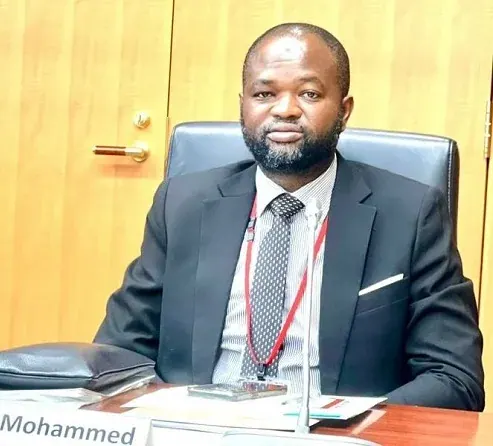
The Ministry of Education in Ghana has called for sustained dialogue with pre-tertiary teacher unions to resolve the ongoing impasse and enable teachers to return to the classroom. According to Education Ministry Press Secretary Hashmin Mohammed, the current government inherited the dispute and requires continued engagement between stakeholders. The Ministry has begun negotiations with relevant agencies to address concerns and find a resolution.
Education Minister Haruna Iddrisu recently met with the leadership of Ghana's three major pre-tertiary teacher unions: the Ghana National Association of Teachers (GNAT), National Association of Graduate Teachers (NAGRAT), and Pre-Tertiary Teachers Association of Ghana (PRETAG). The meeting aimed to address concerns and work towards a common understanding. Mr. Mohammed emphasized the importance of ensuring all parties approach discussions with a clear understanding of the issues at stake.
The Education Ministry, along with other agencies, has commenced negotiations to resolve the impasse. Mr. Mohammed stated that the current engagement provides an opportunity for stakeholders to examine their concerns and work towards a common understanding. He noted that the issue is complex and requires detailed examination of data before decisions can be taken. The Ministry aims to establish quality engagement that will produce a resolution allowing teachers to return to the classroom.
One of the key issues under consideration is the demand for rural and deprived-area allowances. Mr. Mohammed explained that determining the appropriate beneficiaries requires more than simply identifying teachers who work in rural locations. The relevant authorities must identify and disaggregate data to establish which teachers qualify for particular allowances. This process will help prevent inaccuracies in payment and beneficiary records.
The emphasis on data is intended to prevent ghost names and ensure accurate payment and beneficiary records. Mr. Mohammed stressed the need for parties to sit down, examine available information, and ensure proper disaggregation of data before implementation. The Ministry is working to create a pathway for stronger discussions between the government and teacher representatives.
The Education Ministry's Press Secretary, Hashmin Mohammed, made these comments on Joy FM's Top Story. He highlighted the importance of sustained dialogue and data-driven discussions to resolve the impasse. The Ministry's efforts aim to address concerns and find a resolution that will allow teachers to return to the classroom.
The ongoing dispute has led to a strike by teachers, and the Education Ministry is working to resolve the issues. Key points include the need for data-driven talks, the complexity of the issues, and the importance of sustained dialogue. The Ministry's efforts aim to establish a resolution that will benefit both teachers and the education sector as a whole.
Key points
- The Ministry of Education is pushing for data-driven talks to resolve the ongoing teacher impasse.
- The current government inherited the dispute and requires continued engagement between stakeholders.
- The emphasis on data aims to prevent inaccuracies in payment and beneficiary records.