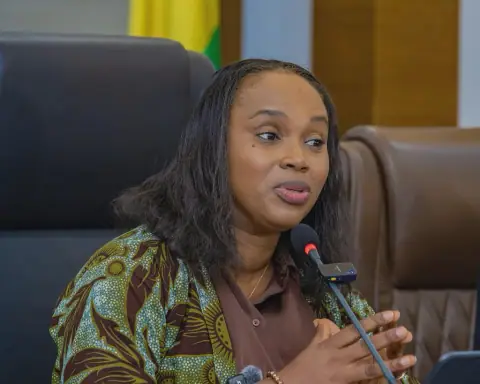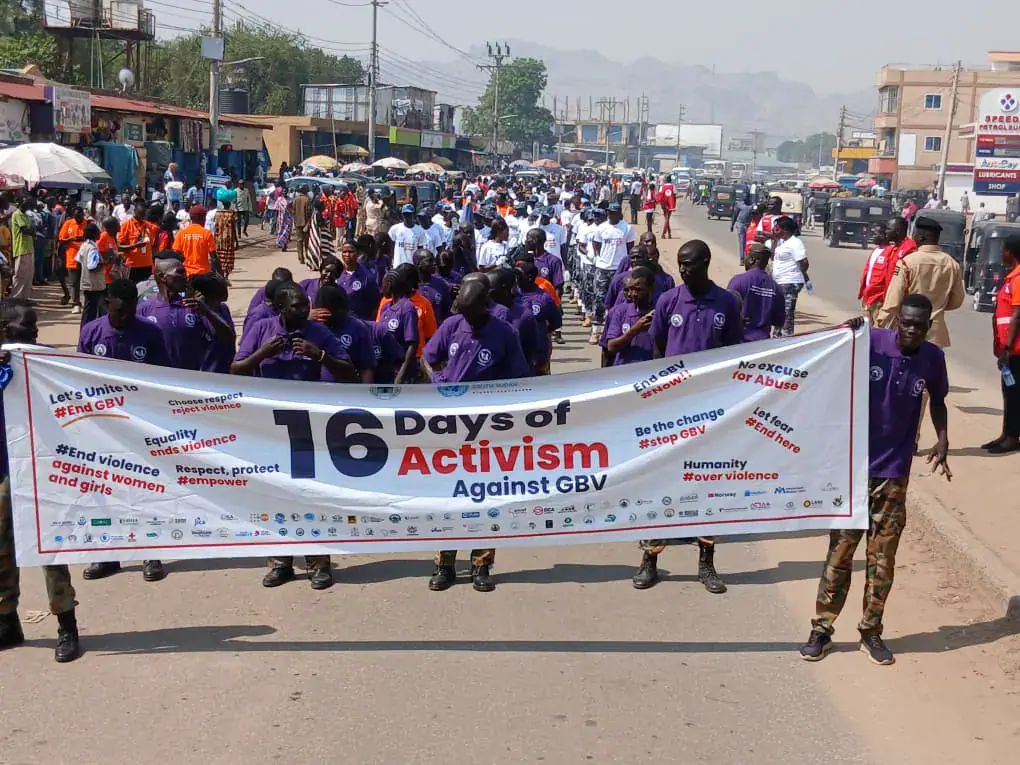
The government of South Sudan has highlighted the crucial role of education in ending gender-based violence (GBV) and promoting gender equality. Caretaker Minister of General Education and Instruction, Kuyok Abol Kuyok, has emphasized the need for enhanced institutional accountability and safer learning environments to protect women, girls, and children from GBV. He made these remarks during the launch of the 16 Days of Activism Against Gender-Based Violence.
Minister Kuyok characterized education as a vital tool in combating harmful cultural practices and promoting gender equality. He urged schools to transform into safe and inclusive spaces where girls and children with disabilities can learn without fear of violence, harassment, or discrimination. According to Kuyok, education is one of the most powerful instruments for preventing GBV, challenging harmful social norms, and protecting equality.
The Minister called for schools to create environments free from violence, harassment, and discrimination, particularly for girls and children with disabilities. He also urged communities to confront harmful practices, such as early marriage and gender-based discrimination. Kuyok asserted that efforts to combat GBV must extend beyond public awareness campaigns, demanding effective prevention, access to justice, survivor-centered services, and accountability.
Kuyok advocated for stronger institutional mechanisms to ensure that survivors receive essential medical, psychosocial, legal, and protective services, while holding perpetrators accountable through appropriate legal frameworks. He stressed that survivors should be treated with dignity, confidentiality, and respect. This call for action is part of a broader effort to safeguard vulnerable groups and promote a culture of equality.
Adeng Andrew Malual, the Undersecretary in the Ministry of Gender, Child and Social Welfare, also spoke out against gender-based violence. He urged the international community to support efforts to enact the Anti-GBV Bill and Family Law, which would enhance the legal framework for protecting women and children against violence. This proposed legislation is seen as a critical step towards strengthening protections for vulnerable groups.
The United Nations Mission in South Sudan (UNMISS) has reported significant efforts to support survivors of gender-based violence. According to Musa Yerro Gassama, the Director of the Human Rights Division at UNMISS, over 4,000 survivors had received assistance related to sexual and gender-based violence during the reporting period. Additionally, more than 6,000 women and girls had benefited from empowerment initiatives.
Despite these efforts, Gassama cautioned that gender-based violence continues to undermine peace and the wellbeing of women and girls in South Sudan. He highlighted the need for stronger access to justice, increased recruitment of women in police, prosecution, and judicial roles, as well as enhanced support for survivors. Stakeholders are urged to translate their commitments into concrete actions to combat GBV effectively.
Key points
- Education is crucial in preventing GBV and promoting gender equality in South Sudan.