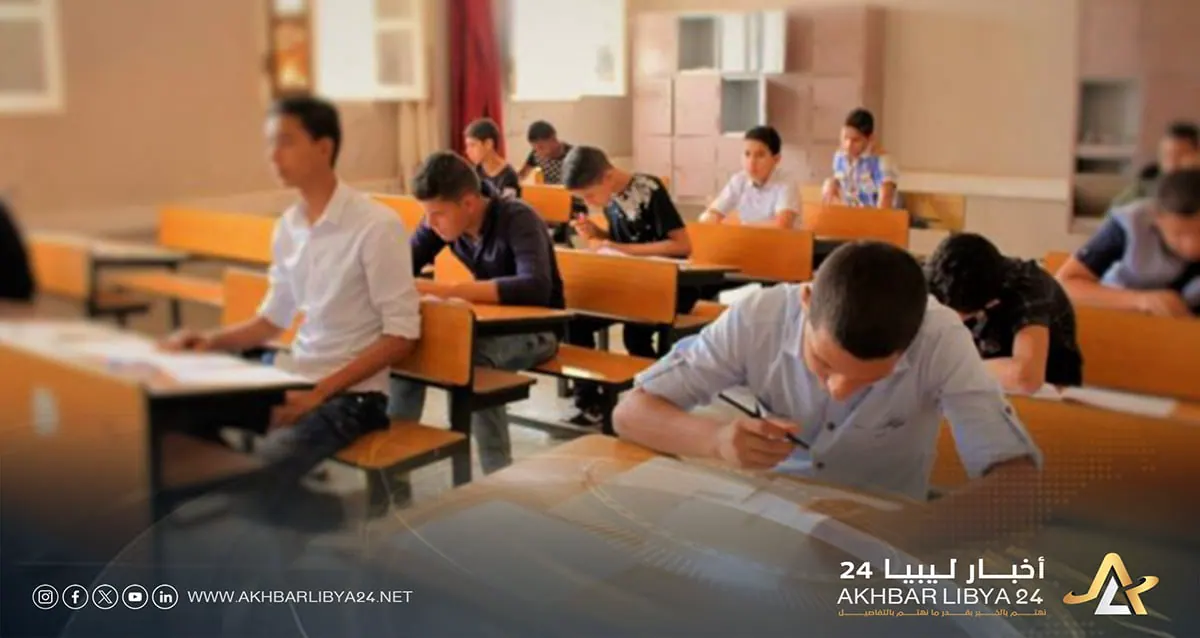
The Libyan education authority in Bayda announced that classes will resume at all public and private schools and educational institutions in the city starting Sunday. This decision comes after a successful negotiation between the General Teachers' Union and the responsible authorities. The agreements reached address several key issues affecting teachers, including salary standardization and health insurance.
According to the education authority, the agreements also cover the payment of outstanding financial differences to members of the Ministry of Education. These developments have led to the lifting of a teachers' sit-in protest that had disrupted educational activities in Bayda. The authorities have urged all teachers to return to their schools and resume their duties.
The resumption of classes in Bayda follows a similar announcement by the outgoing Prime Minister, Abdul Hamid al-Dbeiba. He declared that educational activities would resume nationwide on Wednesday after a meeting with the General Teachers' Union of Libya. Al-Dbeiba emphasized the importance of ensuring students' right to education and maintaining regular classes.
During the meeting, al-Dbeiba highlighted the government's commitment to achieving fairness in salaries and improving the working conditions of state employees. He also praised the role of unions in defending their members' rights and supporting the continuity of public services. The agreements are expected to help normalize the educational process and mitigate the impact of the protest on students.
The education authority in Bayda stressed the importance of teachers returning to schools to ensure a smooth continuation of classes and minimize the disruption caused by the protest. The authority aims to ensure that students can continue their education according to the approved curriculum. The developments in Bayda reflect a broader effort to address the concerns of educators and restore stability to the education sector.
The protest and subsequent agreements highlight the challenges faced by Libya's education sector, including issues related to teacher compensation and working conditions. The authorities' efforts to address these concerns are seen as crucial to maintaining the continuity of education and ensuring that students receive a quality education.
With classes set to resume, attention will focus on implementing the agreements and ensuring that the educational process continues without further disruptions. The authorities will need to work closely with teachers and other stakeholders to address any remaining issues and provide a stable learning environment for students.
Key points
- The Libyan education authority in Bayda has announced that classes will resume at all public and private schools and educational institutions in the city starting Sunday.
- The agreements reached between the General Teachers' Union and the responsible authorities address several key issues affecting teachers, including salary standardization and health insurance.
- The resumption of classes in Bayda follows a similar announcement by the outgoing Prime Minister, Abdul Hamid al-Dbeiba, to resume educational activities nationwide.