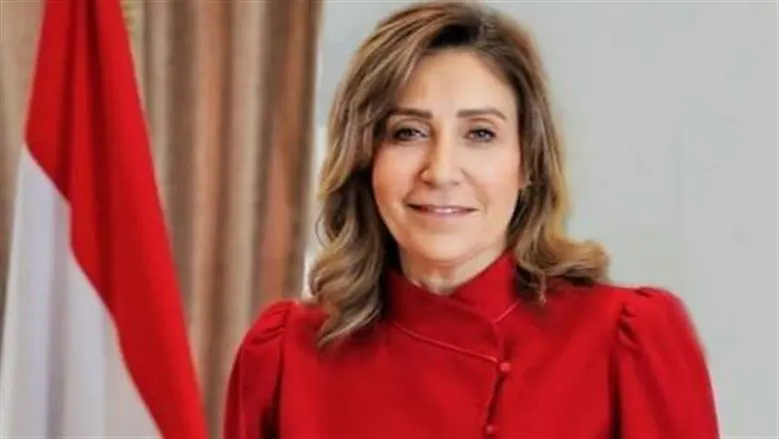
Egypt's former Minister of Culture, Dr. Niveen El-Kilani, emphasized the crucial role of education and soft power in instilling national identity in young people. Speaking on the TV program "Balwara Wal Qalam," El-Kilani highlighted the significance of education in building awareness and a sense of belonging among the youth. She noted that the education system is a primary foundation for shaping the nation's future.
El-Kilani stressed that instilling national identity begins at an early age, through continuous awareness and building consciousness among children. She warned that neglecting this process can lead to the emergence of generations with intellectual divisions and a lack of knowledge about the nation's cultural symbols. The minister also underscored the importance of adapting educational content to suit the changing needs of modern generations.
The former minister pointed out that soft power, including national songs, films, and artistic works, can contribute indirectly to instilling values and promoting national identity. However, she noted that the current discourse targeting children and young people needs to be developed to become more appealing and effective in shaping their awareness and sense of belonging.
El-Kilani highlighted the need for media and artistic content targeting young people to be tailored to their language and way of thinking, particularly in light of technological advancements and increased access to information. This, she argued, would enable the content to have a more significant impact on their awareness and perception of national identity.
The National Identity Conference, which El-Kilani participated in, made a conscious effort to involve young people in its activities and provide them with a platform for direct dialogue with thinkers and session leaders. This allowed for the exchange of ideas and the listening to of young people's perspectives and visions on issues related to national identity.
El-Kilani's statements come at a time when Egypt is focusing on developing its education system and promoting cultural and national awareness. The government has been working to improve educational infrastructure and content, aiming to provide students with a comprehensive and well-rounded education that prepares them for the future.
The minister's emphasis on education and soft power as key drivers of national identity reflects a broader recognition of the importance of these factors in shaping the nation's future. As Egypt continues to navigate its development challenges, the role of education and cultural institutions in promoting national identity and unity is likely to remain a priority.
Key points
- Dr. Niveen El-Kilani emphasizes the importance of education in building national identity.
- Soft power can contribute indirectly to instilling national values.
- Educational content needs to be adapted to suit the changing needs of modern generations.