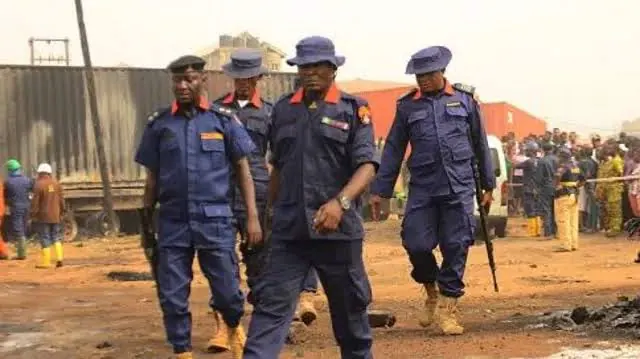
A tragic incident has occurred in Niger State, Nigeria, where 37 suspected illegal miners died in the custody of the Nigeria Security and Civil Defence Corps (NSCDC). The victims were arrested during operations against suspected illegal mining in the M.I. Wushishi and Lukoto areas of Minna on September 15 and 16. By September 17, 37 detainees had died, raising serious questions about the conditions in which they were detained. Reports indicate that 67 people were held in the facility, with some victims reportedly being minors.
The exact cause of death has not been established, with the NSCDC initially pointing to a possible disease outbreak. However, survivors and government officials have raised concerns about overcrowding, poor ventilation, suffocation, and possible exposure to dangerous substances. Medical examinations and investigations are expected to establish what actually happened. The incident has sparked widespread concern, with President Bola Tinubu ordering a full investigation, stressing that enforcement of the law must itself remain within the law.
The Federal Government has constituted a 10-member independent committee to investigate the deaths, while officers connected with the incident have been suspended. The committee has been given two weeks to determine what happened and identify responsibility, negligence, or misconduct. These steps are necessary, but Nigerians have seen investigations come and go without meaningful accountability. This case must not follow that familiar path.
There are two separate issues that the government must confront. First is illegal mining, which Nigeria cannot allow to damage communities, endanger workers, or provide money for criminal activities. Enforcement is therefore necessary. However, enforcement cannot become an excuse for inhumane treatment. If people are arrested, security agencies have a duty to keep them alive and safe until they are released or properly prosecuted.
Detention centres must have adequate space, ventilation, water, food, medical attention, and emergency arrangements. The incident also exposes the wider problem of poverty that drives many Nigerians into dangerous informal mining. Fighting illegal mining without addressing unemployment and the lack of safe economic opportunities will not solve the problem permanently.
The families of the 37 victims deserve the truth and should not be left with rumours, conflicting explanations, and unanswered questions. The Niger tragedy should become a turning point, with the investigation needing to be independent, evidence-based, and made public. Anyone found responsible through due process should face the law, while genuine lessons must be used to prevent another avoidable mass death.
Nigeria must enforce its laws, but it must never lose sight of the most important law of all - every human life has value. The government must take concrete steps to prevent such incidents in the future, including addressing the root causes of illegal mining and ensuring that detention centres meet basic human rights standards.
Key points
- President Bola Tinubu has ordered a full investigation into the incident.
- A 10-member independent committee has been constituted to investigate the deaths.
- The incident has sparked concerns about illegal mining, poverty, and human rights in Nigeria.