The ECOWAS Parliament is seeking stronger powers to effectively tackle climate, migration, and security challenges across West Africa. Nigerian lawmakers, Senators Ali Ndume and Awaji N. Abiante, made the call on the sidelines of the 2026 Second Extraordinary Session and Seminar of the Parliament in Accra, Ghana. They argued that the Parliament's limited authority undermines its ability to exercise oversight and hold the executive organs of the Economic Community of West African States (ECOWAS) accountable.
The lawmakers maintained that strengthening the Parliament's legal framework would give greater weight to its recommendations and enable it to contribute more effectively to resolving the region's interconnected challenges. They suggested that the Parliament's articles have to be amended to give ECOWAS more legislative powers and to also give the ECOWAS judiciary more powers. This, they believe, would enable the Parliament to move beyond its largely advisory role and compel the implementation of regional decisions.
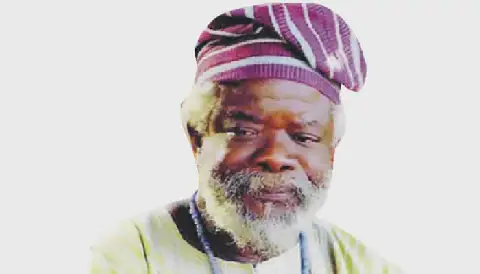
Senator Ndume questioned the practical impact of an institution whose recommendations remain subject to consideration by other ECOWAS organs. He asked if the Parliament has powers outside of advisory and how many of the pieces of advice rendered have honestly been considered. Ndume described climate change as a governance test for the region and linked the movement of pastoral communities from environmentally stressed areas to farmer-herder tensions, particularly in Nigeria.
The week-long seminar is examining the growing impact of climate-related pressures on migration, food security, pastoralism, land use, and regional security. Discussions have focused on how environmental degradation and changing climatic conditions contribute to population displacement, as well as the consequences of cross-border population movements for communities and governments. Ndume attributed the limited progress of previous attempts at ranching partly to the lack of political will to take difficult decisions.
The lawmaker said the challenges demonstrate the need for regional institutions with sufficient authority to translate policy discussions into coordinated action across member states. He called for clearer legal frameworks governing livestock movement, land use, and resource management, stating that where there are no good laws and order, there is bound to be crisis. The ECOWAS Parliament's existing legal framework assigns it responsibilities in regional integration, peace, security, and the enactment of Community Acts.
The Parliament has previously explained that its resolutions are transmitted to the Council of Ministers, which may recommend them to the Authority of Heads of State and Government for adoption as Community legal texts. However, the lawmakers argued that responsibility and accountability should correspond with authority. They believe that a stronger Parliament will make regional lawmakers more directly accountable for the issues they debate.
Senator Ndume emphasized that the essence of being a member of parliament is to represent people, advocate, speak to issues, and if possible, hold institutions to account. He concluded that until a stronger Parliament is established, it will be challenging to hold regional lawmakers accountable for their actions. The call for stronger powers for the ECOWAS Parliament highlights the need for effective regional institutions to address the complex challenges facing West Africa.
Key points
- The ECOWAS Parliament seeks stronger legislative powers to effectively tackle climate, migration, and security challenges across West Africa.
- Nigerian lawmakers argue that the Parliament's limited authority undermines its ability to exercise oversight and hold the executive organs of ECOWAS accountable.
- Strengthening the Parliament's legal framework would give greater weight to its recommendations and enable it to contribute more effectively to resolving regional challenges.