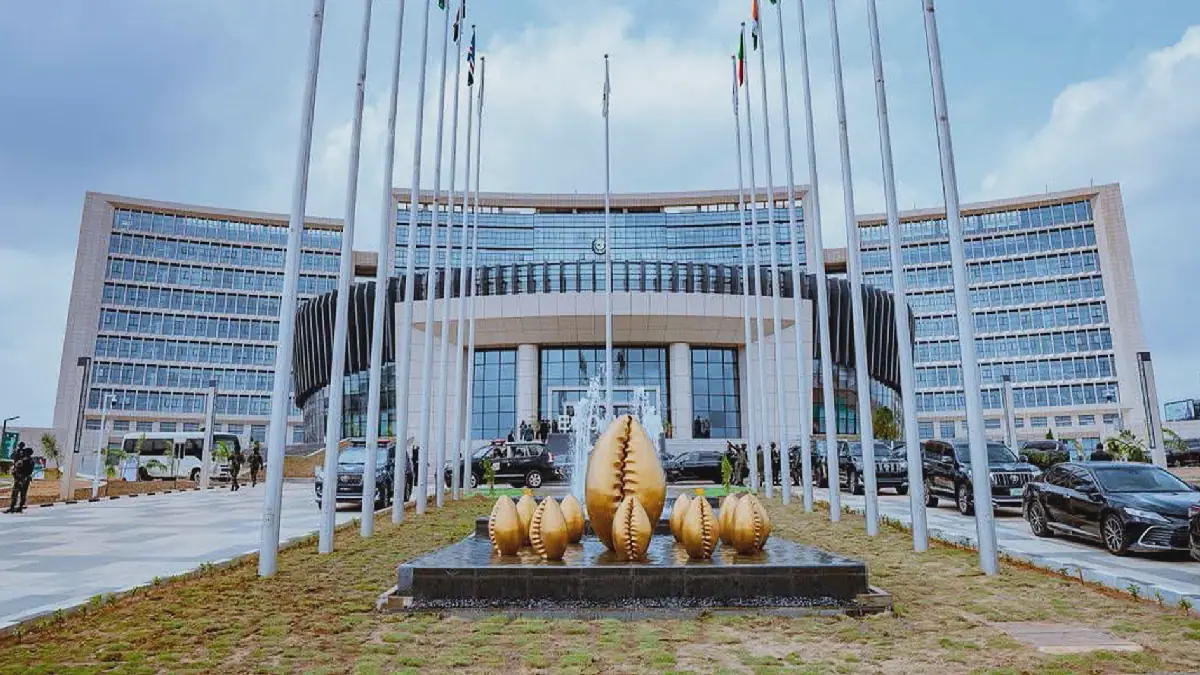
The Economic Community of West African States (ECOWAS) is creating a regional action plan to address population movements driven by climate change and environmental degradation. This move aims to tackle rising displacement linked to floods, drought, desertification, and other environmental hazards across West Africa. According to the Internal Displacement Monitoring Centre (IDMC), approximately 12.7 million internal disaster displacement movements were recorded in West Africa between 2009 and 2023.
Director of Free Movement of Persons, Migration and Tourism at the ECOWAS Commission, Albert Siaw-Boateng, emphasized the need for stronger regional cooperation, evidence-based policies, and investment in resilience to address climate-related human mobility. He made these remarks at the second meeting of the Migration Dialogue for West Africa (MIDWA) Thematic Working Group on Climate Change, Land Degradation, Desertification, Environment and Migration, held in Abuja. The meeting brought together representatives of ECOWAS member states and institutions, development partners, and young people.
The World Bank’s Groundswell Africa analysis estimates that, without adequate climate and development interventions, West Africa could have up to 32 million internal climate migrants by 2050. This projection underscores the growing pressure on governments to incorporate human mobility into climate adaptation, development, and migration policies. Environmental hazards continue to threaten livelihoods, food security, and settlement patterns, making it essential to address these challenges. The ECOWAS Commission is working to develop a 2027–2028 work plan for the thematic working group.
The Abuja meeting focused on priorities for supporting member states in implementing their Nationally Determined Contributions (NDCs) and developing or reviewing their National Adaptation Plans (NAPs). Participants also discussed the feasibility of a regional Green Climate Fund project or readiness proposal to mobilize financing for initiatives addressing climate-related mobility. The working group was reactivated in 2025 to integrate human mobility into regional climate and migration policies.
Representing the Comptroller-General of the Nigeria Immigration Service, Comptroller Abdul Majeed Yabagi noted that climate-driven mobility is already affecting border movements and settlement patterns across West Africa. He called for stronger evidence, coordinated migration and adaptation planning, and greater involvement of communities affected by environmental changes. The International Organization for Migration (IOM) and the Embassy of Switzerland also expressed their support for the ECOWAS initiative.
Ajara Jallow, representing the IOM, stressed the importance of ensuring that the meeting’s deliberations translate available evidence into practical policy and investment responses. Ojoma Ali, representing the Embassy of Switzerland, highlighted the effects of climate change on livelihoods, food security, and migration, calling for greater youth participation and practical climate action. Switzerland reaffirmed its commitment to supporting ECOWAS and its member states through regional cooperation and resilience-building.
The Chairperson of the meeting, Commissioner of Divisional Police of Senegal, Camara Waly, urged delegates to recognize the growing impact of climate change and environmental degradation on communities and livelihoods. The meeting examined next steps for regional support and the development of climate-finance proposals, reflecting ECOWAS’s efforts to incorporate population movement into its wider climate resilience and development agenda.
Key points
- ECOWAS is developing a regional action plan to address population movements driven by climate change and environmental degradation.
- West Africa could have up to 32 million internal climate migrants by 2050 without adequate climate and development interventions.
- The ECOWAS Commission is working to develop a 2027–2028 work plan for the thematic working group on climate change and migration.