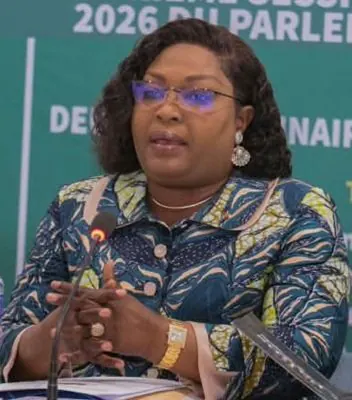
The Speaker of the Economic Community of West African States (ECOWAS) Parliament, Mrs Hadja Memounatou Ibrahima, has urged lawmakers to take renewed commitment to tackling the growing impact of climate change on the sub-region. Climate change effects have moved beyond data and projections to directly affect livelihoods and security. The call was made at the second ECOWAS Parliamentary Seminar held in Accra on the theme: “Climate Change as a Driver of Environmental Degradation, Population Displacement and Rising Insecurity in the ECOWAS Region.”
The seminar brought together lawmakers from ECOWAS member states to deliberate on measures to address climate change and adaptation challenges and share best practices. Mrs Ibrahima emphasized that climate disruption can no longer be measured only in degrees, statistics or projections, but is evident in land that yields less, coastlines that retreat, flooded neighbourhoods, and families losing their livelihoods. She stressed the need to protect the living conditions, dignity, and security of populations when their environment is changing faster than their capacity to adapt.
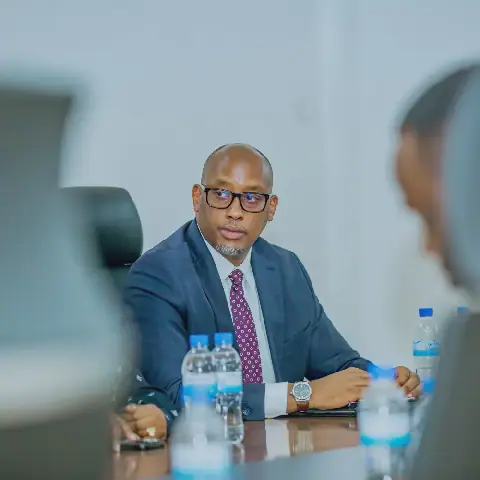
The Senior Programme Officer, Climate Change and Ozone Directorate of the Environmental Protection Agency (EPA), Dr Derek Sarfo-Yiadom, highlighted the need for sustained funding for climate change adaptation and the enactment and enforcement of laws governing flood-prone areas. He also called for increased financing for early warning systems and urged lawmakers to provide regular reports on climate change to promote accountability. Dr Sarfo-Yiadom further called for scrutiny of agreements involving the Niger, Senegal, Lake Volta, and Lake Chad.
Dr Sarfo-Yiadom expressed concern over the inadequate climate change adaptation mechanisms in the sub-region and urged African countries to develop appropriate measures to mitigate associated risks. He noted that adaptation can also create new risks, citing the example of protection in one place shifting water or erosion risk to another. Dr Sarfo-Yiadom advised African countries to consider nature-based approaches in constructing sea defence systems.
Dr Sarfo-Yiadom disclosed that Ghana requires $22 billion to implement its climate actions by 2030. He urged lawmakers to review climate change priorities and risk areas, link climate change to funded actions, and follow up on climate change agreements. The seminar aimed to enable lawmakers to deepen their understanding of climate change and adaptation issues and consider appropriate responses to the challenges confronting the sub-region.
The ECOWAS Parliamentary Seminar provided a platform for lawmakers to share best practices and deliberate on measures to address climate change and adaptation challenges. Mrs Ibrahima said the seminar would enable lawmakers to consider appropriate responses to the challenges confronting the sub-region. The event brought together lawmakers from ECOWAS member states to discuss climate change issues.
The call for collective action on climate change comes as the sub-region faces increasing incidence of flooding, heat waves, and rising sea levels. The effects of climate change have become more pronounced, affecting livelihoods and security. Key stakeholders, including lawmakers and representatives from environmental agencies, are expected to play a crucial role in addressing the challenges posed by climate change.
Key points
- ECOWAS Parliament Speaker urges lawmakers to take collective action on climate change
- Ghana requires $22 billion to implement its climate actions by 2030
- Seminar aims to enable lawmakers to deepen understanding of climate change and adaptation issues