The Ministry of Foreign Affairs in Ghana has launched an initiative to educate traders and transport operators on ECOWAS trade regulations. The campaign aims to reduce border delays, unfamiliar procedures, and unofficial charges that increase the cost of doing business across West Africa. The programme is part of efforts to facilitate trade, transportation, and economic activities among ECOWAS member states. By educating traders on regional trade protocols, the Ministry hopes to address some of the challenges faced by traders at border posts.
The campaign is focusing on educating participants on the ECOWAS Trade Liberalisation Scheme (ETLS), the Protocol on Free Movement of Persons and the Right to Establishment, and the ECOWAS Brown Card Insurance Scheme. These programmes are designed to promote regional integration and make it easier for traders to operate across borders. Ambassador Francis Danti Kotia, Coordinating Director for Multilateral and International Organisations at the Ministry, noted that inadequate knowledge of regional trade protocols contributes to difficulties traders encounter at border posts.
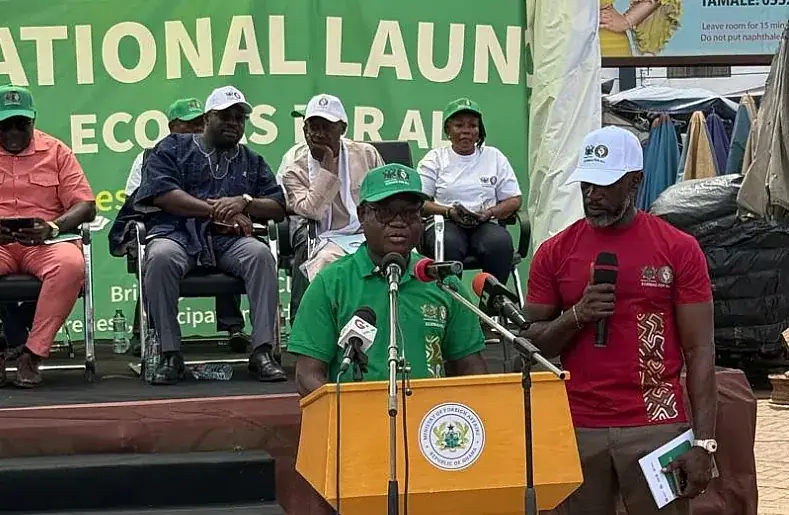
The ECOWAS National Citizen Engagement and Public Sensitisation Campaign was launched at Madina Market in Accra, with the aim of bringing the regional body closer to citizens and improving public understanding of regional integration. Ambassador Kotia said the campaign was designed to educate traders and transport operators on their rights, responsibilities, and opportunities under ECOWAS protocols. He encouraged participants to ask questions and seek clarification on procedures affecting their businesses.
Traders and transport operators continue to face challenges, including delays at border posts, unfamiliar procedures, and unofficial charges, which can increase business costs and reduce the benefits of regional integration. Ambassador Kotia noted that many of the difficulties encountered at borders arise not because the rules are overly complicated, but because they are not sufficiently understood. Greater awareness of the rules governing cross-border trade can help prevent unnecessary delays, misunderstandings, and unofficial payments.
The engagement at Madina Market provided a platform for traders and transport operators to obtain information directly from relevant institutions, including the Customs Division of the Ghana Revenue Authority and the Ghana Immigration Service. Ambassador Kotia reminded participants that the benefits of regional integration come with responsibilities, including ensuring that goods are properly documented, honestly declared, and transported through approved channels.
ECOWAS represents a market of more than 400 million people, offering opportunities for trade, investment, and business expansion. Ambassador Kotia urged participants to share the information acquired with other traders, transport operators, and their communities to improve awareness of regional trade arrangements. The campaign aims to strengthen public awareness and deepen citizen participation in efforts to promote regional cooperation.
The ECOWAS Resident Representative in Ghana, Ambassador Mohammed Lawan Gana, said the campaign comes at a time when there is a growing need to improve public understanding of ECOWAS and strengthen citizens' involvement in efforts to promote regional cooperation. The Madina Market campaign is part of the Ministry of Foreign Affairs' efforts to bring ECOWAS closer to citizens by improving awareness of its mandate, policies, and programmes.
Key points
- The ECOWAS campaign aims to educate traders and transport operators on regional trade regulations to reduce border delays and unofficial charges.
- The campaign is focusing on educating participants on the ECOWAS Trade Liberalisation Scheme, the Protocol on Free Movement of Persons, and the ECOWAS Brown Card Insurance Scheme.
- ECOWAS represents a market of more than 400 million people, offering opportunities for trade, investment, and business expansion.