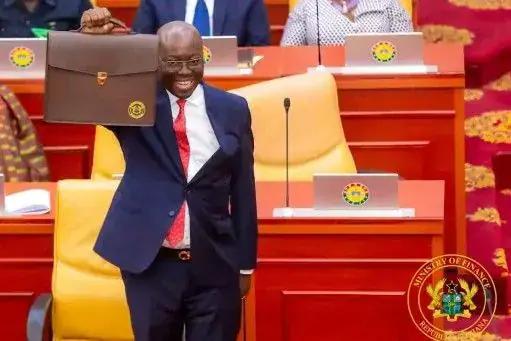
Economists in Ghana have called on the government to ensure disciplined implementation of the 2027 Budget to achieve its targets. They emphasize that translating recent macroeconomic stability into higher production, jobs, and rising incomes requires sustained policy execution. The 2027 Budget aims for 5.2% GDP growth and 8% inflation, plus or minus 2 percentage points. Prof. Peter Quartey and Dr. Daniel Amateye Anim-Prempeh made these observations in separate interviews with the Ghana News Agency.
The economists described the budget as ambitious, with Dr. Anim-Prempeh citing the Big Push infrastructure agenda and the New Economy programme as central to the government's growth strategy. He noted that while Ghana has achieved macroeconomic stability, the next challenge is stimulating growth in agriculture and industry to create jobs and improve living standards. Dr. Anim-Prempeh stressed that growth must translate into tangible benefits for citizens, not just macroeconomic indicators.
Dr. Anim-Prempeh urged the government to prioritize local content in implementing key programmes by procuring locally available materials and utilizing local expertise. He emphasized that the government's ability to raise resources will be crucial in driving growth. Prof. Quartey stressed the importance of implementation, noting that many policies have failed due to weak delivery. He called for a robust monitoring and evaluation framework to track progress and ensure accountability.
Prof. Quartey recommended maintaining a private sector-led approach by creating an enabling environment for investment, providing infrastructure, and ensuring policy certainty. He also advised mobilizing financing at competitive rates, prioritizing growth-enhancing sectors, and ensuring value for money in public spending. Dr. Theophilus Acheampong, Technical Advisor at the Ministry of Finance, discussed the government's plans to pursue private-sector partnerships to implement key programmes.
Dr. Acheampong identified sustaining economic gains as one of Ghana's recurring challenges, citing inconsistent implementation, coordination, and financing. He emphasized that this time, the government has the resources to sustain economic growth over the medium term. Funding for the programmes will come from adjustments to the primary surplus and tax reforms, which are expected to generate additional revenue.
The government plans to reduce the primary surplus target from 1.5% to 0.5% of GDP through reforms to the Public Financial Management Act. This will create fiscal space to support public investment. Dr. Acheampong also mentioned that about GH¢30 billion will be committed to the New Economy programme, with each project subjected to strict assessment and a bankability test.
The economists' recommendations and the government's plans highlight the importance of effective implementation and coordination in achieving the 2027 Budget targets. The budget's success will depend on the government's ability to mobilize resources, prioritize growth-enhancing sectors, and ensure value for money in public spending.
Key points
- The 2027 Budget aims for 5.2% GDP growth and 8% inflation, plus or minus 2 percentage points.
Reporting sources
- Economists urge disciplined implementation of 2027 Budget · Ghana News Agency