Nigeria is marking its 66th Independence anniversary today, October 1, 2026. Economists have noted that recent reforms have improved some macroeconomic indicators, but poverty, unemployment, insecurity, and weak productivity show that the economy remains far from where it should be. The country's leaders have implemented diverse plans towards a common goal of prosperity, from the First National Development Plan of the 1960s to the current subsidy reform era.
Economists affirm that progress is marginal, but growth is a journey and not a destination. They argue that Nigeria must raise its Gross Domestic Product growth to about 10 per cent and deepen reforms to tackle long-standing setbacks. The country's economic development can be viewed as a division of labour, theoretical and practical, over a long period of time. Successes and struggles of economic development in Nigeria have been the effects of many policies.
Scholars and average men and women debate these policies and how they have impacted the destiny of Nigerians. For 66 years, successive governments have interlocked, from driving agriculture, infrastructure, and import-substitution industrialisation to spending rising oil revenues and introducing the 1972 and 1977 indigenisation policies that increased Nigerian ownership of businesses. The country faced fiscal pressure, foreign exchange shortages, and import restrictions under President Shehu Shagari and junta-led Muhammadu Buhari administrations.
The crisis produced the biggest policy shift since independence when the Babangida administration introduced the Structural Adjustment Programme in 1986. SAP moved Nigeria towards market-based exchange rates, trade liberalisation, deregulation, financial-sector reform, and privatisation. It marked a departure from the era of heavy state controls. A summary of a CBN Economic and Financial Review research article noted the benefits and costs of SAP.
Economic reforms tend to mark a country indelibly. Few policies have been the subject of as much discussion in Nigeria's economic history as SAP. Through the 1990s and into the Fourth Republic, market-oriented reforms continued, although with varying degrees of state intervention. President Olusegun Obasanjo's administration revived the reform agenda through the National Economic Empowerment and Development Strategy, privatisation, deregulation, and banking consolidation.
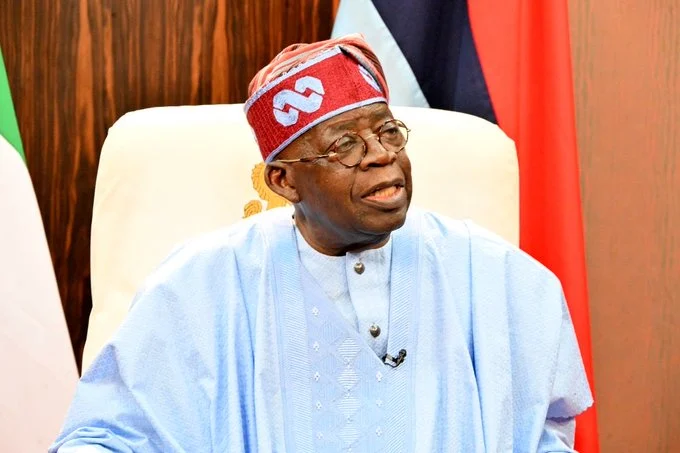
President Bola Tinubu's administration has introduced another major phase of market adjustment, led by the removal of petrol subsidies and reforms to the foreign exchange market. The measures seek to reduce fiscal distortions and allow prices and exchange rates to play a greater role in allocating resources. Dr Ayo Teriba, CEO of Economic Associates, described the economy as a journey rather than a destination, crediting President Tinubu's administration with ending price subsidies on petroleum products and foreign exchange.
Teriba noted that real GDP growth had risen from 2.5 per cent in May 2023 to 4.43 per cent, and foreign reserves had grown from $3.99bn to over $40bn. However, Prof Franklin Ngwu, Director of Public Sector Initiative at Lagos Business School, affirmed that the country had made progress since 1960 in population growth and some infrastructure but had failed to reach the level expected of Africa's largest economy and most populous nation.
Key points
- Economists demand faster growth to cope with Nigeria's expanding population.
- Nigeria needs to raise its GDP growth to about 10 per cent to tackle long-standing setbacks.
- Recent reforms have improved some macroeconomic indicators but poverty and unemployment remain high.