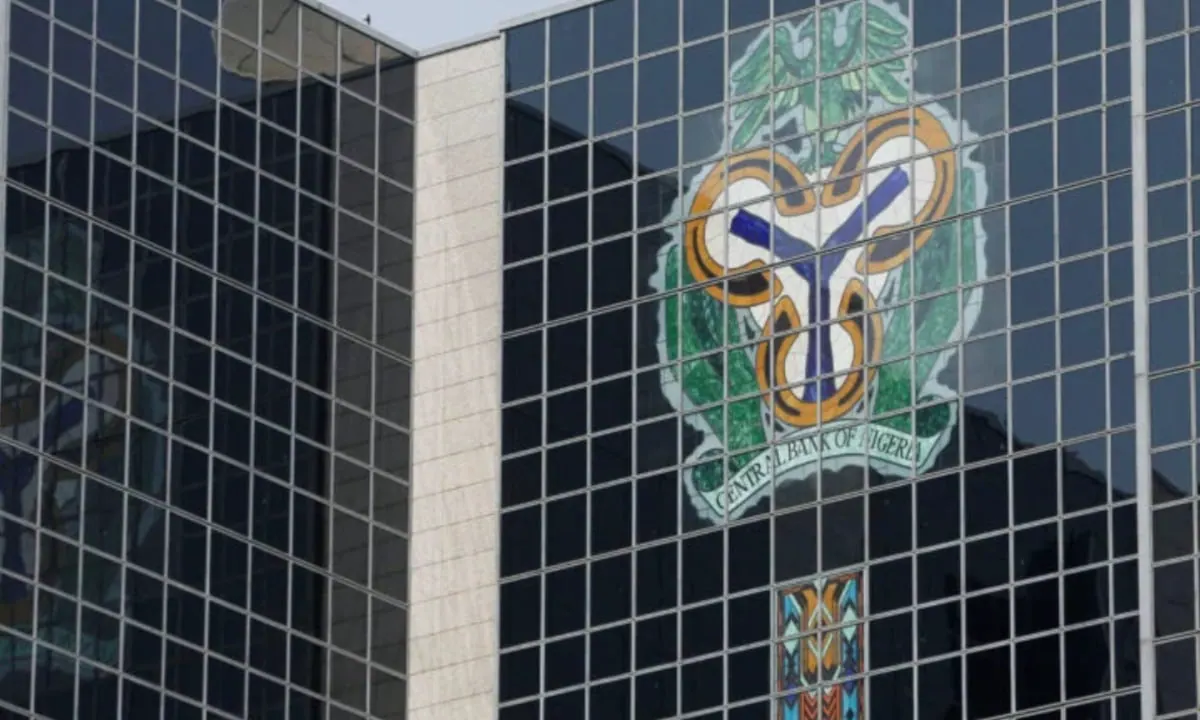
The Central Bank of Nigeria's decision to cut the interest rate to 23 percent from 26.5 percent has been praised by economist and financial analyst, Dr Muda Yusuf. In a statement, Yusuf described the apex bank's decision as a "timely reset." This move was made during the CBN's 307th Monetary Policy Committee meeting, amid two consecutive declines in Nigeria's inflation rate. Yusuf, who is the Chief Executive Officer of the Centre for the Promotion of Private Enterprise, welcomed the change.
Yusuf noted that the magnitude of the adjustment was largely unexpected and represented a significant shift from the prolonged restrictive monetary policy regime. He stated that the decision signals an important rebalancing of monetary policy towards supporting growth, investment, and economic recovery, while preserving price and financial-system stability. This move is considered timely given the improving inflation trajectory and the growing costs of an excessively restrictive monetary environment.
The economist highlighted that there had been a widening misalignment between the Monetary Policy Rate of 26.5%, inflation of about 15.4%, and prevailing money-market rates of around 20%. This weakened the signalling function of the policy rate and raised concerns about the effectiveness of monetary policy transmission. Yusuf emphasized that the reduction of the Monetary Policy Rate to 23% should be viewed not merely as monetary easing, but as an important realignment of the policy rate with prevailing macroeconomic and financial-market conditions.
Yusuf characterized the CBN's decision as a recalibration or reset of the monetary policy framework. He further explained that the decision to cut the rate was particularly positive for the real sector, where high financing costs had become a major constraint on investment, production, working capital, and job creation. Many businesses have faced difficulties due to high commercial lending rates that are hard to reconcile with productive investment.
The policy adjustment offers an opportunity to reduce the cost of capital, improve business cash flows, stimulate investment, and strengthen the productive capacity of the economy. Yusuf stated that for many businesses, commercial lending rates have remained at levels that are difficult to reconcile with productive investment, particularly in manufacturing, agriculture, construction, logistics, and other sectors with relatively long investment cycles and tight margins.
The interest rate cut is expected to have a positive impact on various sectors of the economy. By reducing the cost of capital, businesses can now invest more in their operations, which may lead to increased productivity and job creation. Additionally, this move may also help to stimulate economic growth, as lower interest rates can encourage borrowing and spending.
Overall, Dr Muda Yusuf's reaction to the CBN's interest rate cut is one of approval, as he believes it is a timely and necessary move to support economic growth and stability. The cut in interest rate is a significant shift in the CBN's monetary policy, aimed at promoting economic recovery and investment in Nigeria.
Key points
- Dr Muda Yusuf praises CBN's decision to cut interest rate to 23% from 26.5%.
- The interest rate cut aims to support economic growth, investment, and job creation.
- The policy adjustment offers an opportunity to reduce the cost of capital and improve business cash flows.