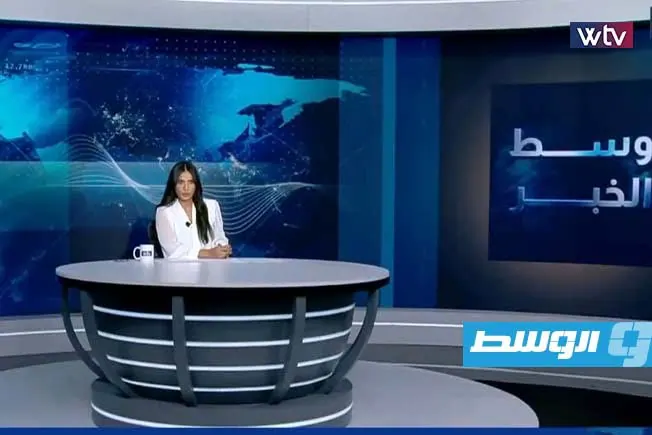
A recent program on Libya's Al-Wasat TV channel highlighted the growing economic and living pressures in the country. The show, which aired on September 22, 2026, focused on the rising cost of living and its impact on citizens. With inflation on the rise, many Libyans are finding it increasingly difficult to make ends meet. The program featured experts and analysts discussing the causes of the economic strain and potential solutions.
The discussion on Al-Wasat TV's program "Tatbiq Khas" centered on the challenges facing the Libyan economy. The country's reliance on oil exports, which account for the majority of its revenue, has made it vulnerable to fluctuations in global energy prices. The recent closure of oil facilities has further exacerbated the situation, leading to a significant decline in revenue. This has put a strain on the government's finances, making it difficult to meet its spending commitments.
One of the key issues facing Libyans is the rising cost of living. As inflation increases, the purchasing power of citizens' wages has decreased. This has made it difficult for many to afford basic necessities, such as food and housing. The program highlighted the need for the government to take action to address these issues and improve the standard of living for its citizens.
The Libyan government's finances are under significant pressure. The country's budget is heavily reliant on oil revenue, which has been impacted by the recent closures of oil facilities. This has limited the government's ability to fund public services and meet its spending commitments. The program discussed potential solutions, including the need for economic diversification and reforms to the country's monetary and fiscal policies.
Experts and analysts featured on the program emphasized the need for the government to take a comprehensive approach to addressing the economic challenges facing the country. This includes implementing policies to stimulate economic growth, improve the business environment, and increase transparency and accountability in the management of public finances.
The program also touched on the issue of wages and their impact on the economy. With many Libyans struggling to make ends meet, there is growing pressure on the government to increase wages and improve working conditions. However, this would require significant funding, which is a challenge given the current state of the government's finances.
The economic pressures facing Libya are likely to continue in the short term. The country's reliance on oil exports and the recent closures of oil facilities have created significant challenges. However, with the right policies and reforms, there is potential for the country to stabilize its economy and improve the standard of living for its citizens. The government must take a comprehensive approach to addressing these challenges and work towards creating a more sustainable and equitable economic future for all Libyans.
Key points
- The Libyan government's finances are under significant pressure due to the country's reliance on oil exports and the recent closures of oil facilities.