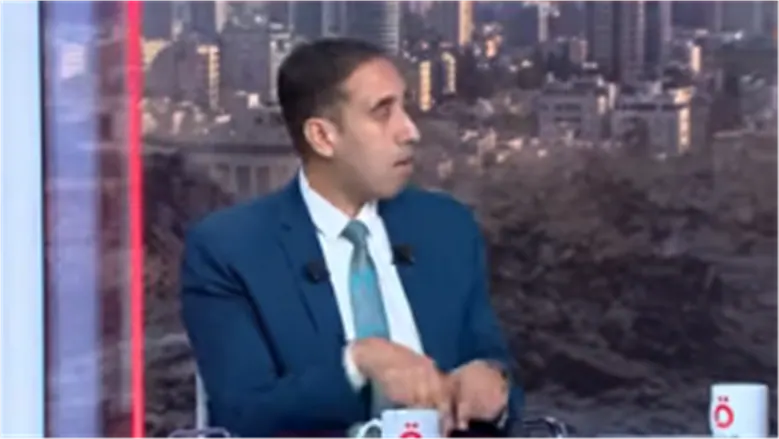
A prominent expert on Iranian affairs, Muhammad Khairi, has stated that severe economic pressures have prompted Tehran to initiate negotiations with Washington. According to Khairi, Iran's decision to present a 7-point proposal, which includes reopening the Strait of Hormuz within seven days, marks a significant departure from its usual stance. This development comes as Iran faces substantial economic challenges, including high inflation and a considerable decline in the value of its currency.
The economic situation in Iran is dire, with an official inflation rate of 70%, and some indicators suggesting that prices have risen by over 150%, particularly for essential food items. The Iranian currency has also suffered a significant loss in value, with one US dollar equivalent to approximately 234,000 tomans or 2.3 million Iranian rials. This economic crisis has severely impacted the purchasing power of Iranian citizens, leading to widespread hardship.
Khairi highlighted that the Iranian government's decision to participate in the United Nations General Assembly was a subject of debate, with some arguing that it would be better to abstain or not attend. However, the Iranian delegation ultimately decided to participate to avoid sending a negative message and to garner international sympathy for its economic plight. This move also aimed to convey specific messages and secure some degree of international support.
The expert emphasized that the current Iranian initiative is primarily driven by the country's severe economic conditions and the resulting pressure on its citizens. Fears of an internal explosion, exemplified by protests earlier in the year involving bazaar traders, have contributed to Tehran's decision to engage with the US. These protests were sparked by difficulties in obtaining financial credits, as well as the impact of sanctions and economic blockades.
The Iranian economy is facing significant challenges, including a substantial decline in oil exports due to US-led sanctions and blockades on Iranian ports. The situation has been further complicated by a proposed land blockade from the United States. These factors have collectively contributed to Iran's economic woes, prompting the government to seek a diplomatic solution.
According to Khairi, the Iranian proposal is an attempt to address the country's economic crisis and alleviate some of the pressure on its citizens. By engaging with the US, Tehran hopes to secure relief from the sanctions and blockades that have crippled its economy. The 7-point plan, which includes the reopening of the Strait of Hormuz, is seen as a key component of this effort.
The international community is closely watching Iran's moves, as the country's economic situation continues to deteriorate. The proposed negotiations with the US may have significant implications for the region and the global economy. As Iran navigates this challenging period, its leaders are under pressure to deliver tangible results and alleviate the suffering of their citizens.
Key points
- Iran's economic crisis, marked by high inflation and a decline in its currency, has driven the country to propose negotiations with the US.
- The Iranian proposal includes a 7-point plan, featuring the reopening of the Strait of Hormuz within seven days.
- The economic challenges facing Iran, including sanctions and blockades, have contributed to the country's decision to engage with the US.