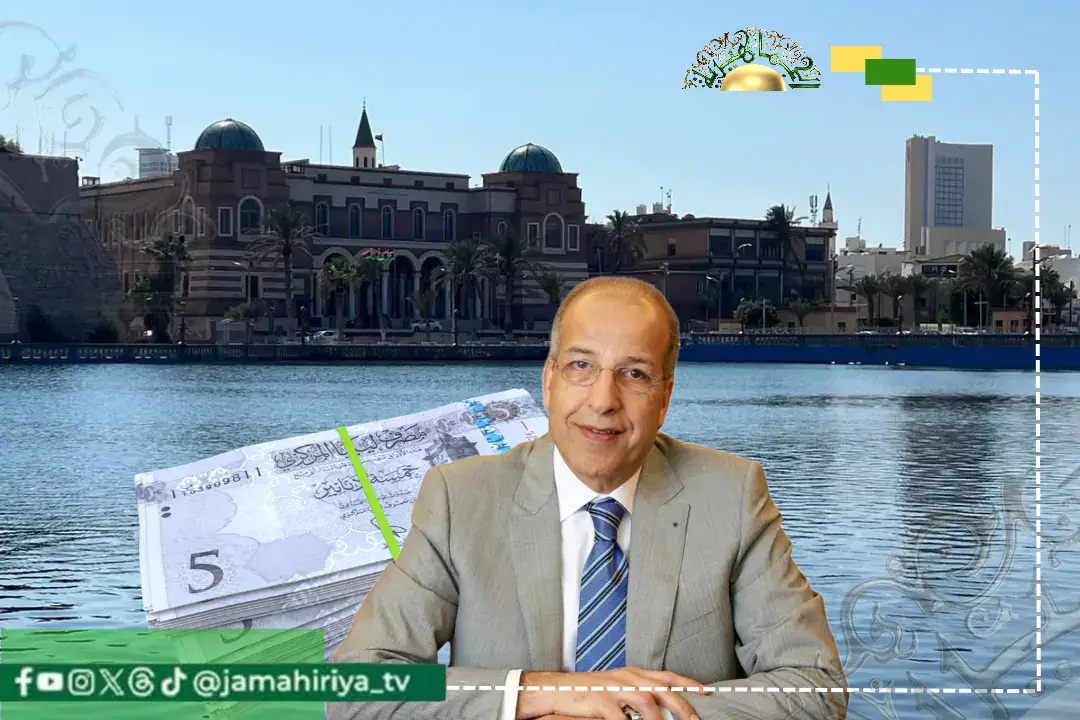
Libyan economic expert Numan Al-Buri has expressed skepticism about the potential benefits of Sadik Al-Kabir returning as governor of the Central Bank of Libya. Al-Buri stated that relying on Al-Kabir's comeback to salvage the country's economic situation is an "illusion" being sold to the Libyan people. He called for a thorough evaluation of Al-Kabir's past performance at the Central Bank, citing the need to assess the outcomes of his economic and financial policies.
During his tenure, Al-Kabir implemented policies that led to significant economic challenges, including a substantial increase in the country's debt and a decline in the value of the Libyan dinar. Al-Buri questioned the impact of Al-Kabir's financing strategies, which were used to address budget deficits, and the effects on the national currency. The expert emphasized that accountability is essential, and those responsible for aspects of the economic crisis should be held accountable rather than being reinstated as solutions.
Al-Buri's comments come amid growing concerns about the economic situation in Libya. The country has struggled with instability and division, affecting its economic performance. The expert warned against repeating past policies and approaches, stating that continuing down the same path would only exacerbate the crisis. He advocated for a fresh approach to addressing Libya's economic challenges, rather than relying on familiar figures and strategies.
The situation is further complicated by warnings from international organizations about the potential for a financial collapse in Libya. A recent report highlighted the risk of a significant decline in the country's financial situation, which could impact the payment of employee salaries in 2027. These concerns underscore the urgency of finding effective solutions to Libya's economic problems.
Critics argue that the focus on reinstating familiar figures, such as Al-Kabir, distracts from the need for comprehensive reforms. They emphasize that Libya requires a new and innovative approach to address its economic challenges, rather than relying on established names and policies. The call for accountability and a thorough assessment of past policies reflects a broader desire for change and improvement in the country's economic management.
As Libya continues to navigate its complex economic landscape, experts and stakeholders are emphasizing the need for a more nuanced and effective strategy. This involves addressing the root causes of the economic crisis and implementing reforms that promote stability and growth. The role of the Central Bank and its leadership will be crucial in this process, as will the government's commitment to transparency and accountability.
The international community is also watching Libya's economic situation closely, with many organizations and countries offering support and guidance. However, the ultimate solution to Libya's economic challenges will depend on the country's ability to develop and implement effective policies, as well as its willingness to engage in meaningful reforms. The fate of Libya's economy and the well-being of its citizens hang in the balance, making it essential to find a sustainable and effective solution.
Key points
- Expert warns against relying on Sadik Al-Kabir's return to Libya's Central Bank to solve economic crisis.
Reporting sources
- خبير اقتصادي: عودة الصديق الكبير للمصرف المركزي لن تنقذ الاقتصاد الليبي · Aljamahiriya TV