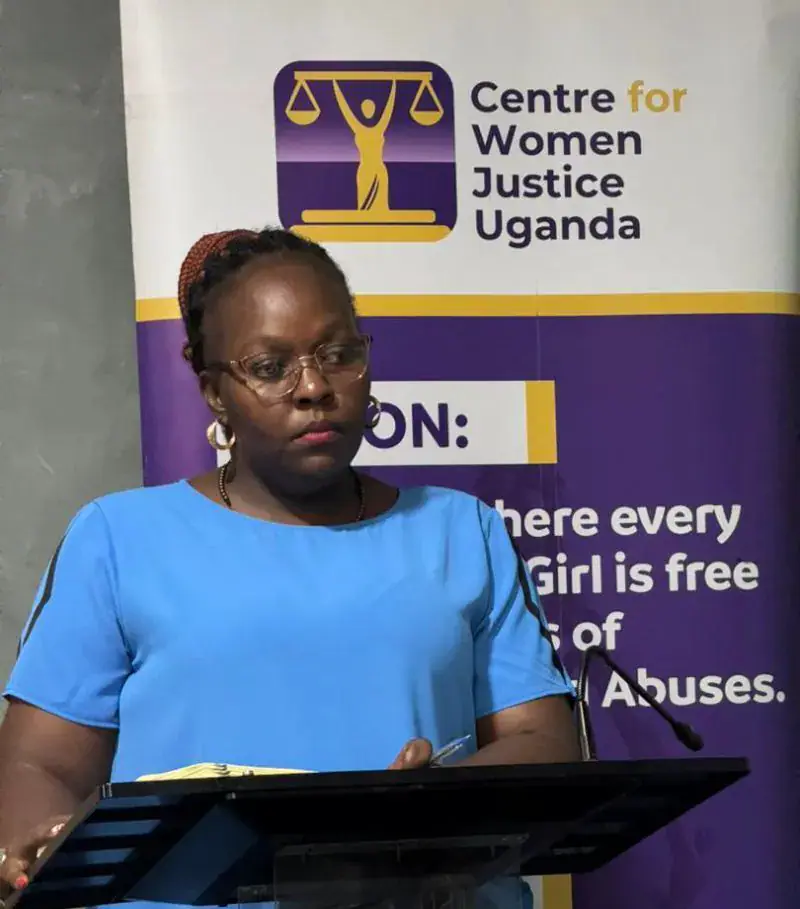
A recent study by the Centre for Women Justice Uganda (CWJU) has found that economic dependence on men is a major driver of gender-based violence (GBV) against women and girls in Uganda. The study, conducted in Kampala's Kawempe Division, revealed that 27 per cent of adolescent girls and young women experience violence. According to Jovia Mirembe Birungi, Senior Technical Advisor–Programs at CWJU, this issue is further complicated by harmful social norms, polygamy, and limited awareness of women's rights.
The CWJU has handled approximately 48 to 50 gender-based violence cases in 2026 alone, highlighting the ongoing struggle to address this issue. Mirembe attributes the continued prevalence of GBV to women's economic dependence on men, which often leaves them vulnerable to abuse. She also expressed concern over the normalisation of domestic violence in some communities, where wife beating is still regarded by certain individuals as an acceptable aspect of marriage.
To effectively address GBV, Mirembe emphasised the need for increased male involvement in prevention efforts. Engaging men alongside survivors and their partners can help address the underlying causes of abuse and promote sustainable solutions. Furthermore, she raised concern over the growing prevalence of technology-facilitated gender-based violence, including online harassment and defamatory publications, which she attributed partly to weak enforcement of existing laws.
The issue of GBV is being addressed through various initiatives, including the annual 16 Days of Activism Against Gender-Based Violence campaign, which runs from November 25, the International Day for the Elimination of Violence Against Women, to December 10, Human Rights Day. This global campaign seeks to raise awareness, mobilise communities, and strengthen collective action towards ending all forms of violence against women and girls.
A media café organised in Kampala brought together journalists and editors to explore ways of improving reporting on health and self-care issues, including GBV. Discussions focused on accurate reporting, information verification, challenging misconceptions, and avoiding language that reinforces stigma. This engagement aims to promote informed reporting and support efforts to address GBV.
The Centre for Women Justice Uganda (CWJU) is working to address GBV through various projects, including a baseline study that established the prevalence of gender-based violence in Kampala's Kawempe Division. The organisation is also promoting awareness and law enforcement mechanisms to ensure that women and girls are protected both online and offline.
Key stakeholders, including journalists, editors, and women's rights advocates, are calling for strengthened awareness and law enforcement mechanisms to address GBV. They emphasise the need for collective action to end all forms of violence against women and girls, and to promote a culture of respect and equality.
Key points
- Women's economic dependence on men is a major driver of gender-based violence in Uganda.
- 27 per cent of adolescent girls and young women in Kampala's Kawempe Division experience violence.
- Increased male involvement in prevention efforts is crucial to addressing GBV.
Reporting sources
- Economic Dependence on Men Fuels Gender-Based Violence Against Women and Girls – Advocate · Radio Sapientia 94.4 FM