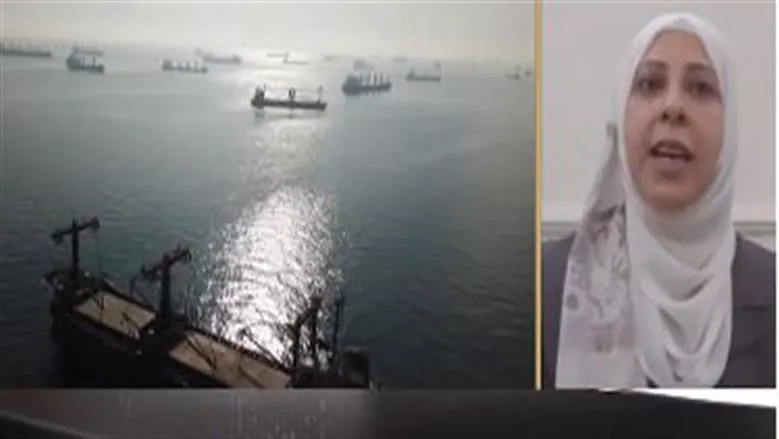
The escalating economic and military costs of the Iranian crisis are prompting its main parties to explore de-escalation. According to Dr. Arij Jaber, a professor of political science, these costs have become a significant factor in encouraging the parties to seek a peaceful resolution. The crisis has been marked by heightened tensions between the United States and Iran, with both sides imposing sanctions and engaging in military posturing.
Dr. Jaber noted that the United States and Iran are aware of the substantial pressures they face, but each views the other as a threat to its interests and projects. As a result, neither side is willing to make concessions without assurances. The current situation is characterized by a security dilemma, where each side sees the other as a source of pressure and threat. This has led to a situation where neither side is willing to back down.
The economic costs of the crisis have been significant, with both the United States and Iran facing substantial challenges. According to data from the US Department of Defense and Congress, the US is experiencing economic and military pressures that are impacting its decision-making. Similarly, Iran is also facing significant economic challenges, including the impact of US sanctions on its economy.
The crisis has also had far-reaching implications for the global economy, including the impact on energy prices and international trade. The international community has been working to find a solution to the crisis, including efforts by Qatar to mediate between the parties. These efforts aim to establish a channel of communication between the US and Iran, which could potentially lead to a de-escalation of tensions.
One possible solution that has been proposed is a meeting between US President Donald Trump and Iranian President Masoud Pezeshkian. While this idea has been floated, it is unclear whether it will come to fruition. Dr. Jaber emphasized that any meeting between the two leaders would require careful planning and a clear understanding of the issues at stake.
The Iranian crisis has also highlighted the complexities of international diplomacy, where multiple factors and interests are at play. The crisis has been marked by a series of escalating events, including the US drone strike that killed top Iranian military commander Qasem Soleimani. This event led to a significant escalation of tensions between the US and Iran, with both sides engaging in military posturing.
The ongoing crisis has significant implications for regional and global security, and its resolution will require a sustained effort from all parties involved. The international community will be watching closely to see how the situation develops and whether the parties can find a way to de-escalate tensions and address their differences through diplomatic means.
Key points
- The economic and military costs of the Iranian crisis are driving parties to seek de-escalation.
- The crisis has significant implications for the global economy and regional security.
- International efforts, including mediation by Qatar, aim to establish a channel of communication between the US and Iran.