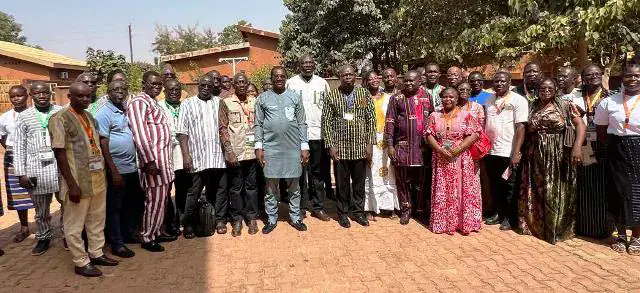
The Ecole normale supérieure (ENS) in Burkina Faso is hosting its 2nd international colloquium in Ouagadougou from October 28 to 30, 2026. The event brings together intellectuals and professionals to discuss the theme "Sciences, technology and education: what synergy for sustainable and inclusive development?" The ceremony was attended by the Director General of ENS, Pr Ousseni So, and other notable figures. The colloquium aims to explore ways to make university products employable.
The Director General of ENS, Pr Ousseni So, emphasized that the theme was chosen to address the need for universities to produce graduates who can meet the needs of the job market. He noted that there is often a mismatch between what universities produce and what companies want. Pr So highlighted the importance of equipping students with skills that are relevant to the current challenges, such as artificial intelligence, digitalization, and climate change.
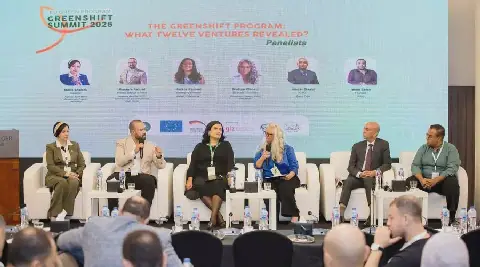
The colloquium has attracted a significant number of participants, with over 300 proposals and 271 abstracts submitted. These were distributed across six major axes, according to Pr So. The event features parallel sessions, poster presentations, and a strategic panel discussion on partnerships between universities, companies, and public authorities. The discussions aim to provide insights into the role of education and science in achieving sustainable development.
The Vice-President for Research and University Cooperation of the University Norbert-Zongo, Pr Isidore Yaméogo, represented the President of the University, who is the patron of the ceremony. Pr Yaméogo stressed that education without science cannot address the current challenges. He emphasized that the alliance between education and science is crucial for producing competent and innovative graduates who can drive real and inclusive development.
Pr Yaméogo noted that the colloquium aligns with the vision of the Revolutionary Progressive People's Movement, led by the President of Faso. This vision involves modernizing university infrastructure, promoting digitalization, and strengthening technical and vocational training. He encouraged the scientific community to rise to the challenge and produce knowledge that is relevant, useful, and anchored in local realities.
The three-day event provides a platform for researchers, teachers, students, and education stakeholders to share their experiences and expertise. The discussions are expected to yield practical recommendations for policymakers, educators, and other stakeholders. The outcome of the colloquium is expected to contribute to the development of a more inclusive and sustainable education system in Burkina Faso.
The Ecole normale supérieure's initiative is seen as a step towards addressing the country's development challenges. The country's development agenda prioritizes education and science as key drivers of growth and poverty reduction. The colloquium's focus on synergy between science, technology, and education is expected to yield practical solutions for promoting sustainable development in Burkina Faso.
Key points
- The Ecole normale supérieure hosts a 3-day international colloquium to discuss education and sustainable development.
- Over 300 proposals and 271 abstracts were submitted for the colloquium.
- The event aims to explore ways to make university products employable and drive sustainable development.