The Female Parliamentarians’ Association of the Economic Community of West African States (ECOFEPA) has urged women across West Africa to acquire the necessary skills, technology, and resources to expand their businesses into regional and global markets. This call was made during an Executive Masterclass organised by ECOFEPA, which brought together female parliamentarians, entrepreneurs, exporters, and other stakeholders. The masterclass aimed to examine ways of strengthening women’s participation in trade, expanding access to finance and markets, and preparing women for greater roles in leadership and decision-making.
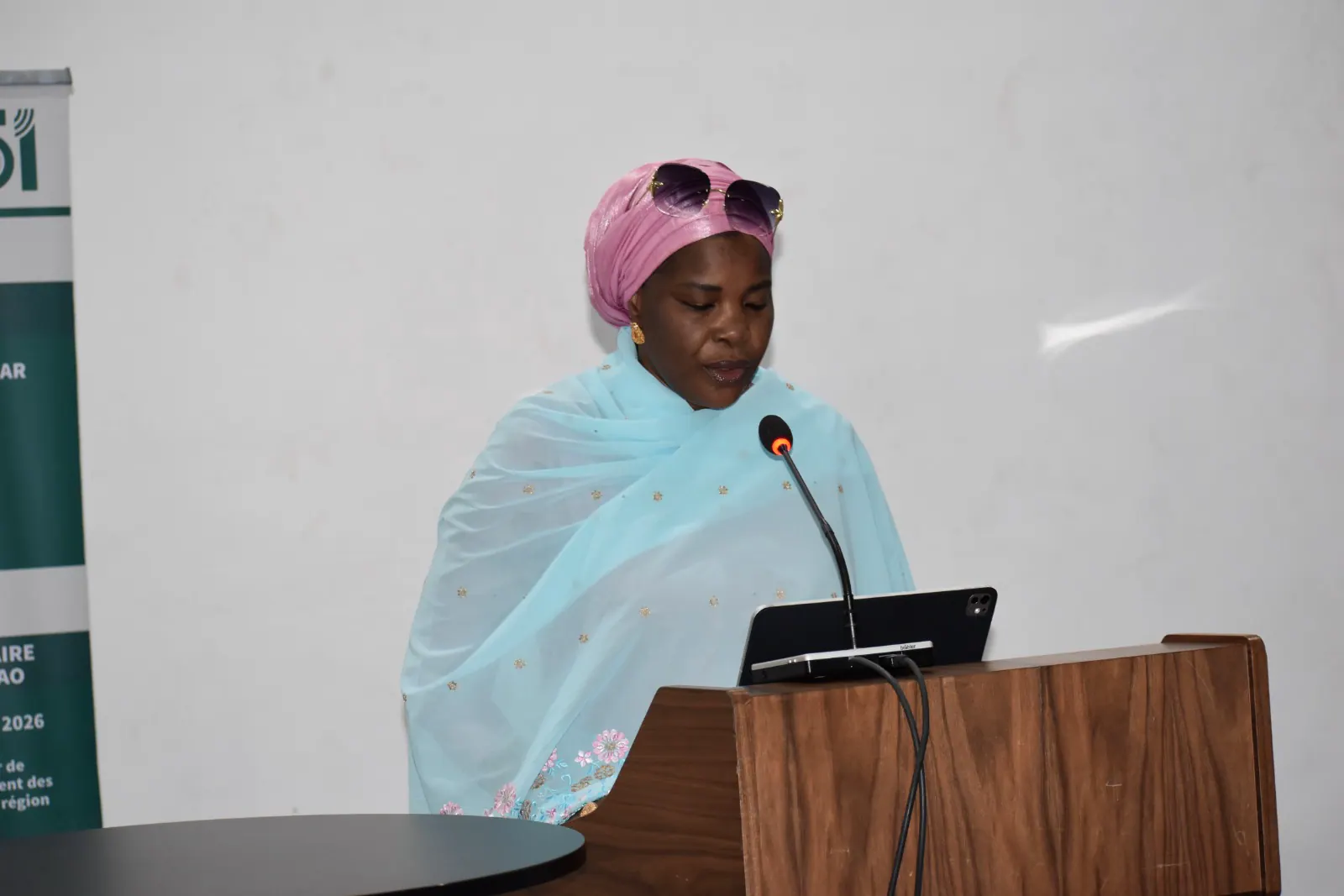
According to ECOFEPA's First Vice-President, Hon. Zainab Gimba, women must move beyond being participants in economic activities to becoming major drivers of trade, investment, and innovation. She identified limited access to finance, market information, technology, and business networks as significant challenges confronting women entrepreneurs in the region. Gimba noted that these challenges are particularly significant for women seeking to transform small businesses into formal, competitive, and export-oriented enterprises.
Gimba linked economic empowerment with political participation, noting that successful businesses can provide women with greater confidence, networks, and leadership experience. She urged governments, financial institutions, development partners, and businesses to provide accessible financing, improved trade infrastructure, reliable market information, mentorship, and stronger networks for women entrepreneurs. Gimba also stressed the need for women to understand standards, certification, packaging, branding, logistics, digital commerce, customs procedures, and the requirements of international buyers.
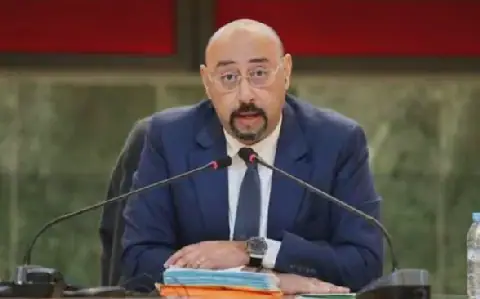
Representing Ghana’s Minister for Gender, Children and Social Protection, the ministry’s Legal Adviser, Ms Nnali Bennis-Wallace, said women are already making significant contributions to the economic development of the region. She noted that women are active as farmers, processors, manufacturers, traders, service providers, exporters, and entrepreneurs, contributing to employment, household incomes, food security, and economic growth. However, Bennis-Wallace acknowledged that many women-owned businesses remain concentrated in the informal economy due to difficulties accessing finance, technology, market information, business networks, and larger markets.
Bennis-Wallace emphasized the need to deliberately position women as producers, exporters, investors, innovators, and decision-makers. She said regional and continental trade frameworks can create opportunities for women entrepreneurs to expand their businesses and participate more actively in intra-African and global trade. Initiatives such as the masterclass provide women with practical knowledge and tools to move beyond local markets.
The Ghanaian government recognises women’s economic empowerment as an important component of national development, citing the National Gender Policy 2025–2034 as a framework for advancing gender-responsive development, women’s economic empowerment, and participation in decision-making. Bennis-Wallace called for stronger collaboration among government institutions, trade and economic bodies, parliaments, financial institutions, development partners, civil society organisations, private-sector actors, and women’s business associations.
Bennis-Wallace proposed strengthening the capacity of women-owned businesses to become export-ready, expanding access to finance, technology, market information, and digital platforms, while creating stronger and more sustainable markets for women entrepreneurs. Reliable data is also crucial to better understand women’s participation in trade and develop policies that address the barriers confronting them.
Key points
- ECOFEPA urges women to acquire skills, technology, and resources to expand businesses into regional and global markets.
- Women entrepreneurs face challenges such as limited access to finance, market information, technology, and business networks.
- Strengthening women’s participation in trade can enhance their economic and political influence.