Ecobank Transnational Incorporated (ETI) has launched an initiative to boost financing for African small and medium-sized enterprises (SMEs). The banking group aims to achieve a combined loan portfolio of $2.6 billion by 2030, focusing on women entrepreneurship and agricultural value chains. This move is part of Ecobank's strategy to support economic growth and development in Africa. The initiative is expected to have a positive impact on the lives of many women entrepreneurs and small businesses.
The larger allocation of $2 billion will support Ecobank's Ellever program, which targets women-owned and women-led businesses. The bank plans to build a $2 billion loan portfolio under this program by 2030. Ecobank has already supported over 110,000 women-led businesses and aims to reach 400,000 SMEs. Additionally, the bank plans to target nearly 1 million women micro-entrepreneurs through banking and training initiatives, particularly in digital tools. This will enable women entrepreneurs to access the necessary resources to grow their businesses.
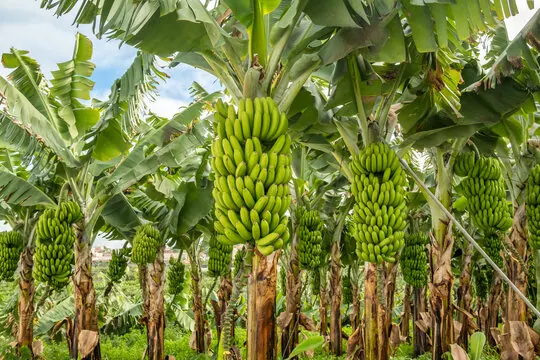
The second pillar of the initiative targets $600 million in outstanding loans to agricultural SMEs. Ecobank plans to expand its lending beyond traditional seasonal farm financing and cover the entire agricultural value chain. This includes producers, exporters, aggregators, processors, logistics operators, and traders. The bank's goal is to support businesses in various sectors, including agribusiness, healthcare, and education. By doing so, Ecobank aims to contribute to the growth and development of the African economy.
Despite these targets, they remain small compared to Africa's financing needs. The African Development Bank estimates that women-owned and women-led SMEs face a $49 billion financing gap across the continent. Agricultural SMEs also face an annual financing gap of about $96 billion. Ecobank's initiative is a step in the right direction, but more needs to be done to address the significant financing gap.
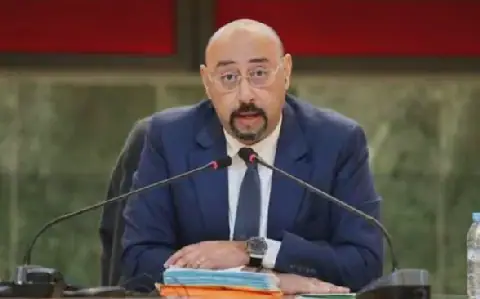
According to Ecobank CEO Jeremy Awori, the strategy reflects the group's intention to finance the transformation of African agricultural production. The bank will direct part of the financing toward climate-resilient agriculture, digitalization of rural payments, and trade finance. This will enable African businesses to adapt to the changing climate and access new markets. The strategy also aims to support the development of regional agricultural markets and reduce Africa's dependence on food imports.
Ecobank plans to leverage its pan-African footprint and payment infrastructure to support these objectives. Its digital trade platform already connects over 60,000 businesses and will facilitate transactions between suppliers and buyers across African markets. This is particularly important as the African Continental Free Trade Area (AfCFTA) expands intra-African trade. The platform will enable businesses to access new markets and increase their trade volumes.
The announcement follows Ecobank's commitment to provide $3 billion over three years to finance intra-African and global trade. The group unveiled this commitment in May 2026 at the Africa Forward Summit in Nairobi. The initiative aims to support African businesses and strengthen their integration into regional value chains. For Jeremy Awori, these programs should address both access to capital and economic transformation.
Key points
- Ecobank targets $2.6bn in loans for women entrepreneurship and agribusiness by 2030.
- The bank aims to support 400,000 women SMEs and 1 million women micro-entrepreneurs.
- The financing gap for women-owned SMEs and agricultural SMEs in Africa is estimated at $49 billion and $96 billion, respectively.