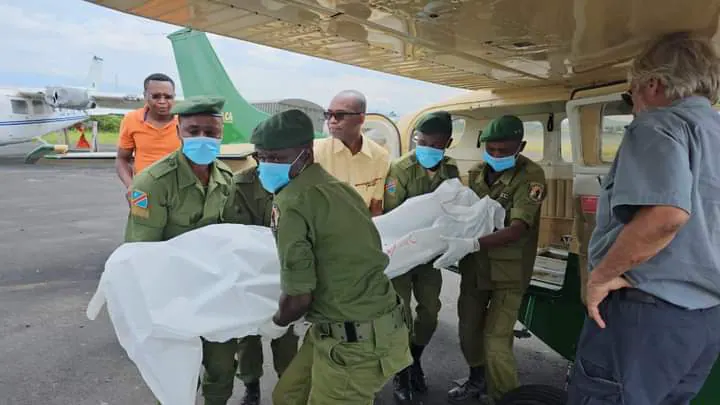
A sub-station of the Okapi Wildlife Reserve in the Nduye area of Mambasa territory, Ituri region, was attacked and set on fire by ADF-MTN rebels on the night of October 1, 2026. The attack resulted in the death of an eco-guard who was on duty protecting the reserve's biodiversity. The incident was reported by the Congolese Institute for Conservation of Nature (ICCN).
The ICCN has condemned the attack, which occurred while eco-gardes were carrying out their conservation duties within the protected area. The institute's Director-General, Yves Milan Ngangayi, paid tribute to the fallen eco-guard, praising their bravery and sacrifice. The eco-guard was protecting the reserve's fauna and flora when they lost their life.
The Okapi Wildlife Reserve, a UNESCO World Heritage site, has faced repeated security challenges due to the presence of armed groups in the region. The ICCN has reported that this is not an isolated incident, with previous attacks having occurred in the area. In 2012, the reserve's headquarters was attacked by Mai-Mai Simba militants, resulting in the deaths of 14 okapis and damage to several installations.
The ICCN has vowed to continue its conservation efforts despite the challenges posed by armed groups. Director-General Ngangayi urged eco-gardes to remain committed to their duties, protecting the reserve's biodiversity and natural resources. The institute has expressed concern over the security situation in the region and its impact on conservation efforts.
The ADF-MTN rebel group has been active in the Ituri region, carrying out attacks on civilians and conservation efforts. The group has been linked to various human rights abuses and crimes against local communities. The DRC government has faced criticism for its handling of the security situation in the region.
The Okapi Wildlife Reserve is one of the most important biodiversity sanctuaries in the Democratic Republic of Congo. The reserve is home to a wide range of flora and fauna, including the endangered okapi. Conservation efforts are ongoing to protect the reserve's natural resources and prevent further degradation.
The ICCN is working to enhance security measures at the reserve and prevent future attacks. The institute is also collaborating with local communities and conservation partners to promote the protection of the reserve's biodiversity. The incident has highlighted the need for increased support and resources to protect conservation efforts in the region.
Key points
- One eco-guard was killed during the attack on the Okapi Wildlife Reserve sub-station.
- The Okapi Wildlife Reserve has faced repeated security challenges due to the presence of armed groups in the region.
- The incident has highlighted the need for increased support and resources to protect conservation efforts in the region.