Industrial actions in Nigeria's public tertiary institutions have far-reaching consequences on the educational system, students, faculty, and the socio-economic landscape. Disputes over inadequate funding, poor working conditions, and policy implementation often lead to strikes, disrupting academic calendars, postponing or canceling classes, examinations, and other academic activities. This instability affects students' academic progress, resulting in extended graduation timelines and delays in the entry of qualified graduates into the workforce.
The educational quality may suffer as interruptions hinder the smooth flow of curriculum delivery and impede the completion of syllabi. Industrial actions also contribute to the deterioration of the relationship between students and faculty, leading to frustration, disillusionment, and a decline in the overall learning experience. This strained relationship negatively impacts the development of critical thinking skills, essential for producing well-rounded and competent graduates.
Financial implications are another significant aspect of industrial actions. Students and their families invest considerable resources in education, which diminishes when strikes occur. The reputation of Nigerian tertiary institutions suffers, leading to a decline in enrollment and potential financial challenges. Furthermore, the brain drain phenomenon exacerbates the consequences of industrial actions, as talented and experienced educators may seek employment opportunities abroad due to instability in the Nigerian education system.
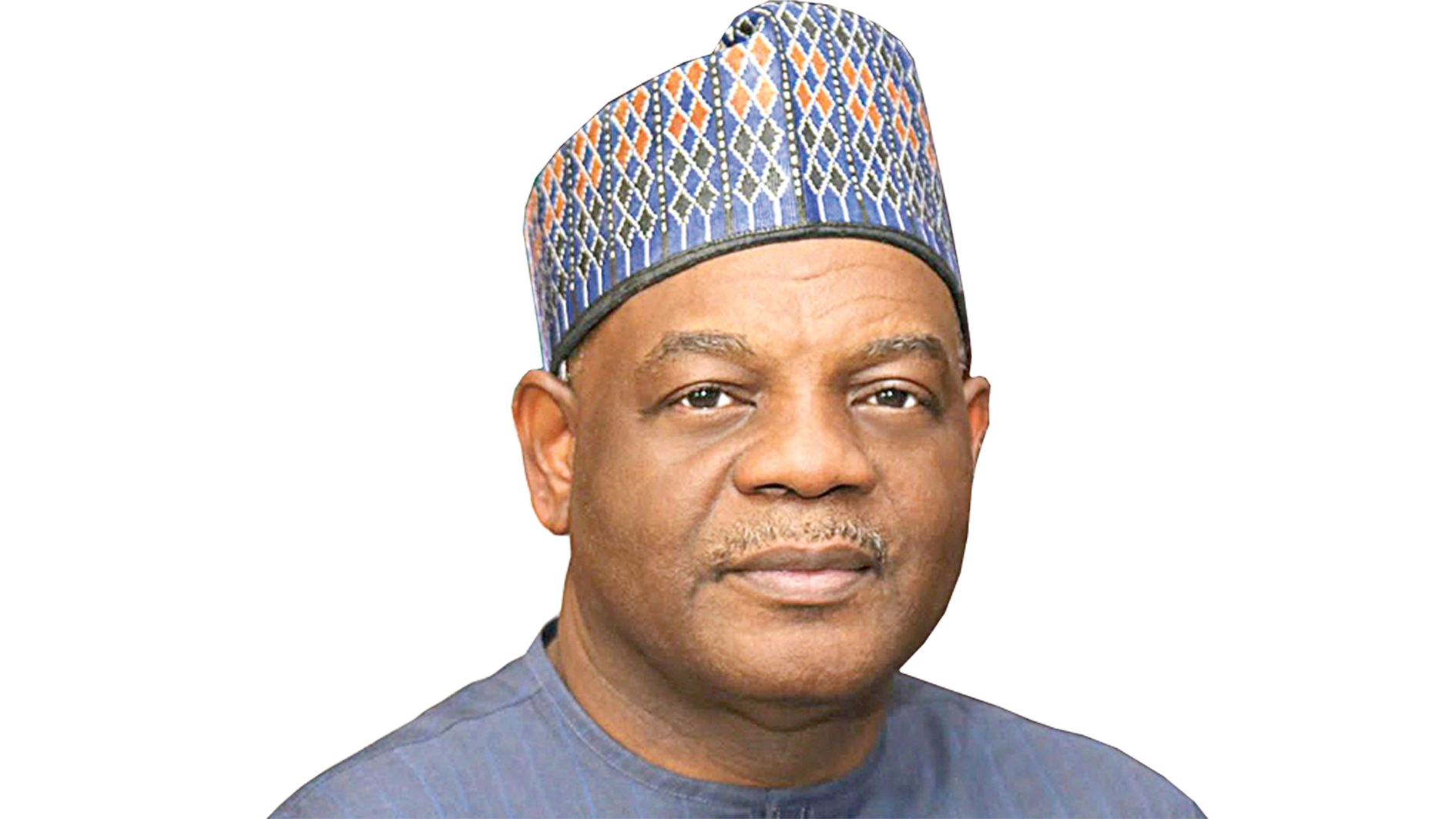
President Bola Ahmed Tinubu's administration has taken significant strides towards ensuring industrial harmony in public tertiary institutions. At the heart of this is the Executive Secretary of the Tertiary Education Trust Fund (TETFund), Arch Sunny Echono. Echono occasionally meets with members and leadership of various unions of TETFund beneficiary institutions to engage proactively and address prevailing challenges in public schools.
Echono believes that consistent engagement and brainstorming are key success factors in improving the sub-sector. The meetings serve as a platform to discuss mitigating incidences of industrial disputes, preventing and avoiding their occurrences, and building cooperation and collaboration between the Fund, its beneficiary institutions, and the unions.
The primary mandate of TETFund is to rehabilitate, restore, and consolidate tertiary education in Nigeria using funding and project management. Echono has been committed to this goal since assuming office. He emphasizes the importance of education in national development, stating that nations rely on the tertiary education sub-sector for critical manpower needed in all sectors.
Echono highlights the need for significant investments in education to tackle global challenges, such as climate change and population explosion. He notes that the global community, as reflected in the United Nations Development Goals 2030, calls for unified efforts to develop and improve tertiary education. TETFund's efforts aim to address these challenges and ensure industrial harmony in Nigeria's higher institutions.
Key points
- TETFund's Arch Sunny Echono engages with unions to prevent industrial disputes in Nigeria's public tertiary institutions.
- Industrial actions in Nigeria's public tertiary institutions have far-reaching consequences on the educational system, students, faculty, and the socio-economic landscape.
- Echono emphasizes the importance of education in national development and the need for significant investments in education to tackle global challenges.