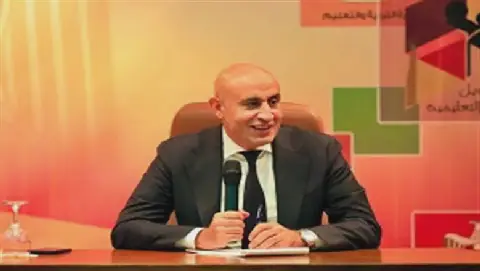
The Economics Association of Malawi (Ecama) has urged the government to implement reforms in taxation, pricing, and regulation to reduce the cost of digital financial transactions. This call aims to bring Malawi in line with regional markets, where transaction charges are significantly lower. Ecama president Bertha Bangara-Chikadza stated that improving financial inclusion requires more than just expanding access to digital financial services.
Malawi's mobile money transaction charges average 3.7 percent, compared to between 0.1 and 3 percent in Kenya and 0.5 and 3 percent in Zambia. The cost of sending $200 to Malawi averaged 31.5 percent in the third quarter of 2025, the highest among 37 African destinations surveyed. This is nearly four times the sub-Saharan African average of 8.5 percent. Ecama identified five structural factors driving high transaction costs: exchange rate distortions, market concentration, taxation, operating costs, and gaps in payments infrastructure.
Ecama president Bertha Bangara-Chikadza attributed much of the disparity in remittance costs to foreign exchange margins rather than direct transaction fees. She recommended measures to narrow the gap between official and parallel market exchange rates. Domestically, market concentration could be limiting competition and keeping transaction charges high, with Airtel Money and TNM Mpamba accounting for 94 percent of national payments system transaction volumes in the second quarter of 2025.
The Reserve Bank of Malawi (RBM) is reviewing the Payment System Act of 2016 to address what it describes as a restrictive licensing regime that could constrain smaller players and financial technology companies. RBM official Grenard Yotamu stated that this review aims to promote competition and reduce transaction costs. Airtel Money Malawi managing director Thokozani Kamkondo Sande cited prevailing economic conditions as a factor pushing up operating costs.
Thokozani Kamkondo Sande noted that the technology is provided by partners whose payments are in foreign currency, and the company also relies on diesel to power its infrastructure. Ecama recommended reviewing value-added tax on payment fees in the 2027/28 National Budget while maintaining exemptions for small transactions. Bangara-Chikadza proposed introducing tiered, value-based charges to ensure that people sending smaller amounts do not bear a disproportionate cost.
Ministry of Information and Digitalisation Principal Secretary responsible for e-Government Prosper Mopiwa acknowledged that transaction charges erode the value of money transferred to economically vulnerable households. The government is willing to engage service providers on ways of reducing the charges. Ecama further recommended publishing a quarterly payments-cost index incorporating foreign exchange margins, strengthening interoperability, and reducing telecommunications infrastructure costs.
Ecama's proposals aim to reduce the cost of digital financial transactions and promote financial inclusion in Malawi. The association's recommendations will be considered by the government as it seeks to address the high transaction costs and promote economic growth.
Key points
- Malawi's mobile money transaction charges are significantly higher than those in regional markets.
- Ecama recommends reforms in taxation, pricing, and regulation to reduce transaction costs.
- The government is willing to engage service providers on ways of reducing transaction charges.
Reporting sources
- Ecama demands cheaper digital payments · The Nation