Six months after the Ebola outbreak in the Democratic Republic of Congo, health officials have reported significant progress in curbing the disease. According to the World Health Organization (WHO), the rapid transmission of Ebola has been interrupted in several initial epicenters, including Mongbwalu, Nyankunde, Nizi, Rwampara, and Butembo. This development comes as a result of intensified health interventions and the decentralization of essential services to affected communities.
The city of Bunia, one of the initial major epicenters, has seen a significant decline in new cases, with a reported decrease of half. Local treatment centers are also experiencing low occupancy rates, indicating a positive trend in the situation. However, the WHO cautions that these advances are fragile and require consolidation to prevent a resurgence of the transmission.
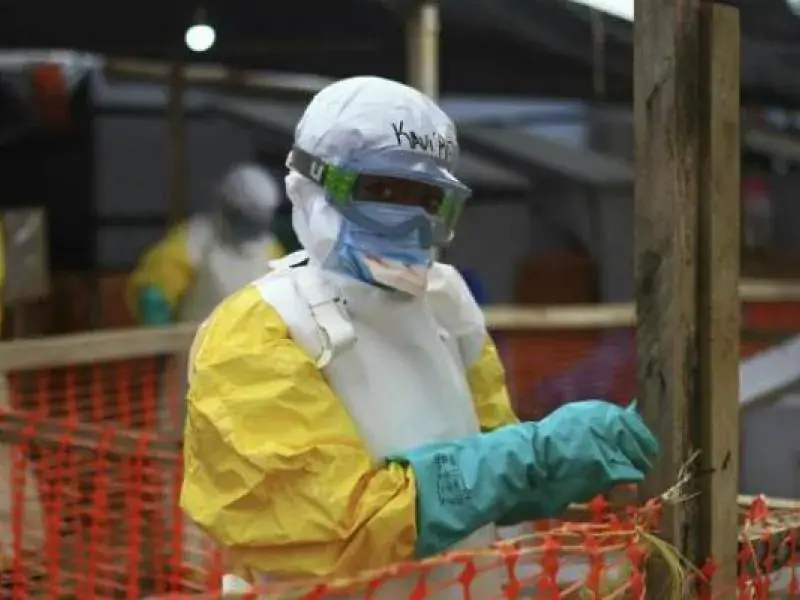
Despite the progress made, the epidemic is far from over. Nationally, between 400 and 500 new cases are reported weekly, and the disease has spread to 67 health zones across eight provinces. The WHO emphasizes that the response efforts have strengthened health capacities, including the expansion of laboratories from two to over two dozen and the availability of nearly 2,000 beds in 104 treatment and transit centers.
The WHO notes that around 3,000 people have survived Ebola, according to its latest update. To sustain the progress made, the organization stresses the need to extend the response efforts to other affected and at-risk areas, particularly those with limited access. Enhanced epidemiological surveillance and local community engagement are also crucial in preventing further transmission.
The situation in Bunia and other initial epicenters demonstrates that with sustained efforts, it is possible to interrupt the transmission of Ebola. However, the WHO warns against complacency, emphasizing that the advances made must be consolidated to achieve long-term control of the outbreak. Continued vigilance and cooperation from local communities are essential in achieving this goal.
Health workers have faced challenges in their efforts to combat the outbreak, including attacks on health facilities. The WHO reports that 81 attacks have been documented since the start of the epidemic. Despite these challenges, health workers continue to provide critical care to those affected, and the response efforts have been bolstered by international support, including funding from the United States.
The WHO and other health organizations are urging sustained support and cooperation to bring the Ebola outbreak under control. The situation remains fragile, and continued efforts are needed to prevent a resurgence of the transmission and to address the health needs of affected communities. Key to this effort is ensuring that progress made in some areas is extended to others and that health services are accessible to all those in need.
Key points
- The World Health Organization reports that the transmission of Ebola has been interrupted in several initial epicenters in the Democratic Republic of Congo.
- The city of Bunia has seen a significant decline in new Ebola cases, with a reported decrease of half.
- Despite progress, the epidemic is far from over, with between 400 and 500 new cases reported weekly.