The Ebola outbreak in the Democratic Republic of Congo has reached unprecedented levels, with over 7,700 cases and 3,700 deaths reported, according to government figures. The International Organization for Migration (IOM) is increasing efforts to tackle the epidemic at displacement sites and along major travel routes, including the Congo River. This move aims to strengthen preparedness and reduce the risk of cross-border transmission.
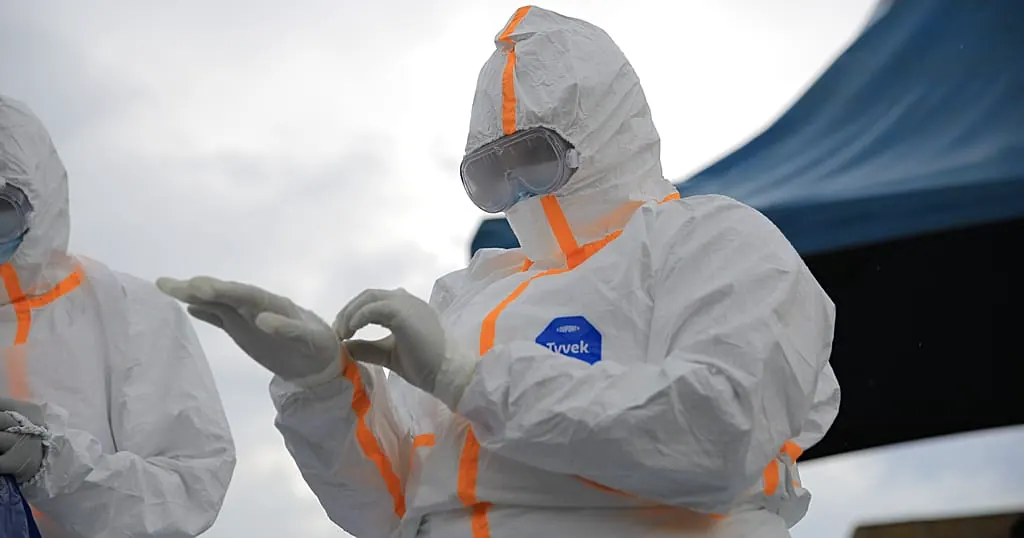
IOM workers are taking temperatures of every passenger and collecting health information at the Bende-Bende port in Kinshasa. The teams conduct an average of 1,000 health screenings daily. If a passenger meets the definition of a suspected or alert case, they are immediately referred to the sampling unit to determine whether it's a case of Ebola, another epidemic disease, or cholera.
Dr. Primous Godjedo, a health security specialist at the IOM, explained the process for handling suspected cases. The IOM is working closely with neighbouring countries, including Uganda, South Sudan, Burundi, Rwanda, and the Central African Republic, to enhance preparedness. This collaboration aims to reduce the risk of cross-border transmission and strengthen the response to the Ebola outbreak.
The IOM's efforts focus on displacement sites and major travel routes, which are critical areas for disease transmission. By increasing health screenings and surveillance, the IOM aims to detect and respond to suspected cases promptly. This approach is crucial in controlling the spread of the disease and preventing further transmission.
The Ebola outbreak in the DR Congo has significant implications for regional health security. The IOM's collaboration with neighbouring countries is essential in preventing the spread of the disease across borders. By working together, these countries can share information, coordinate responses, and enhance preparedness.
The situation in the DR Congo remains critical, with the Ebola outbreak continuing to spread. The IOM's efforts, along with those of the government and other partners, are crucial in controlling the outbreak. The organisation's work at displacement sites and along travel routes is vital in detecting and responding to suspected cases.
The IOM's response to the Ebola outbreak in the DR Congo is part of a broader effort to strengthen health security in the region. By enhancing surveillance, conducting health screenings, and collaborating with neighbouring countries, the IOM is helping to prevent the spread of the disease and protect vulnerable populations.
Key points
- The IOM is working with neighbouring countries to strengthen preparedness and reduce the risk of cross-border transmission of Ebola.
- Over 7,700 cases and 3,700 deaths have been reported in the DR Congo, according to government figures.
- IOM workers conduct an average of 1,000 health screenings daily at the Bende-Bende port in Kinshasa.