Ebola systematically attacks the human body, with symptoms appearing anywhere from two to 21 days after contact and growing progressively worse over time. The early stage of the infection is characterised by seven primary symptoms. These symptoms include red or bloodshot eyes, muscle pain, abdominal pain, fever, a sore throat, fatigue, and headaches. This information is crucial for understanding the initial stages of Ebola infection.
As the disease develops, later symptoms manifest, presenting severe complications. These complications include diarrhoea, vomiting, and a rash. The virus can also cause impaired kidney and liver function, alongside internal and external bleeding, which is a less common effect. Understanding these symptoms can help in the early detection and management of the disease.
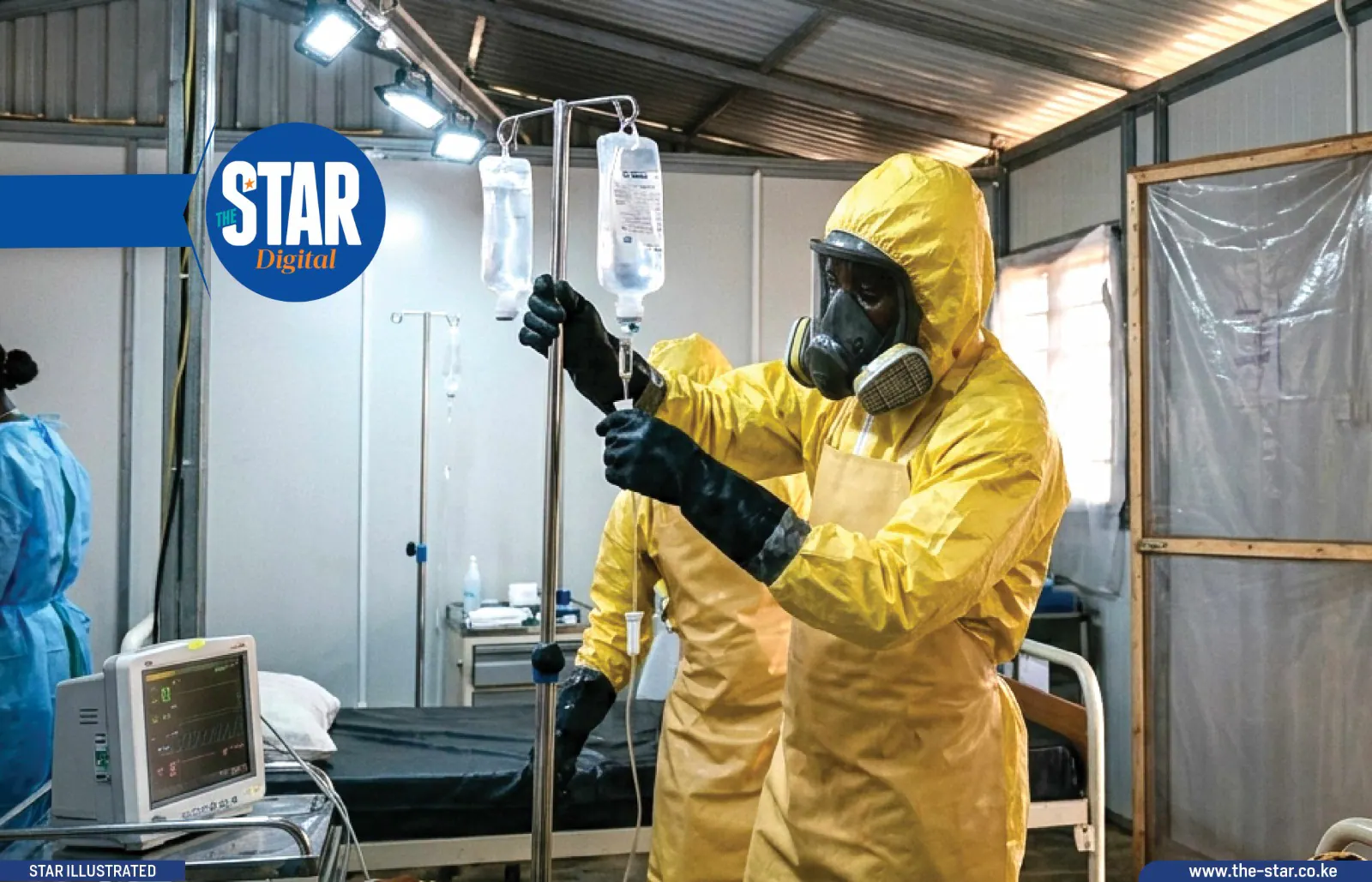
The high-risk nature of managing Ebola is emphasised by the background photograph of healthcare workers operating in full yellow hazmat protective suits within a clinical environment. This image highlights the precautions taken by healthcare professionals to prevent the spread of the virus. Their role is critical in controlling outbreaks and providing care to infected patients.
Ebola's impact on the human body is severe and multifaceted. The disease's progression from mild to severe symptoms can be rapid, making timely medical intervention critical. The complications arising from Ebola can be life-threatening, underscoring the need for effective treatment strategies.
Healthcare workers and medical professionals play a vital role in managing Ebola cases. Their training and adherence to safety protocols are essential in preventing the spread of the virus. The use of protective suits and equipment is a key aspect of their safety measures.
Public awareness of Ebola's symptoms and transmission is also crucial in controlling outbreaks. Education on preventive measures, such as safe hygiene practices and avoiding contact with infected individuals, can significantly reduce the risk of transmission. Communities must be informed and involved in the response to Ebola outbreaks.
Ongoing research and medical advancements are essential in the fight against Ebola. Continued efforts to develop effective treatments and vaccines are critical in managing and eventually eradicating the disease. The medical community remains vigilant and proactive in addressing the challenges posed by Ebola.
Key points
- Ebola symptoms can appear 2-21 days after contact and progress from mild to severe complications.
- The disease causes impaired kidney and liver function, alongside internal and external bleeding.
- Healthcare workers play a vital role in managing Ebola cases and preventing the spread of the virus.