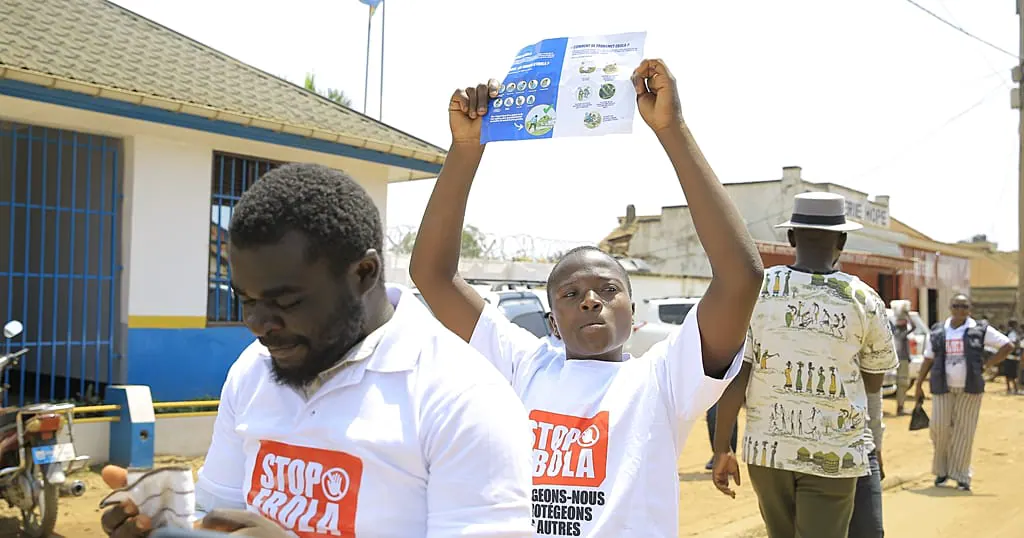
In the Democratic Republic of Congo, Ebola response teams are taking steps to educate deaf individuals about the risks and signs of Ebola. A recent meeting in Kisangani, a health zone affected by the epidemic, brought together deaf people and healthcare workers. The goal is to address the unique challenges faced by deaf individuals in accessing medical care during the outbreak.
According to Dr. Gloris Esaa, a member of DRC's Ebola response team, people with disabilities, including deaf individuals, are more vulnerable during the outbreak. Communication barriers can lead to misunderstandings and delayed diagnosis. Esaa emphasized the importance of effective communication in providing medical care to deaf individuals.
To facilitate communication, sign language interpreters like Gilbert Kazingufu played a crucial role in the meeting. Kazingufu, representing the national network of sign language interpreters, helped translate Ebola symptoms and prevention measures for the deaf audience. This effort aimed to ensure that deaf individuals receive accurate information about the disease.
Bwana Muzuri, a carpenter who attended the meeting, shared his newfound knowledge about Ebola symptoms and prevention. He listed vomiting, fever, and bleeding as signs of the disease and emphasized the importance of proper hygiene, such as washing hands and wearing masks. Muzuri's testimony highlights the impact of targeted awareness campaigns.
The Ebola outbreak in DRC has recorded 7,541 confirmed cases, including 3,639 deaths, as of Saturday. The disease has spread primarily in Ituri province, and the World Health Organization has warned that the outbreak remains out of control. The situation is dire, with concerns that it may surpass the 2014-2016 West Africa Ebola outbreak, which killed over 11,000 people.
The DRC government and international organizations are working to contain the outbreak. Efforts include vaccination campaigns for frontline workers and awareness initiatives targeting vulnerable populations, such as the deaf community. These measures aim to mitigate the spread of the disease and reduce mortality rates.
The awareness campaign in Kisangani demonstrates a commitment to inclusivity in the Ebola response. By engaging with deaf individuals and addressing their specific needs, response teams can help prevent further transmission of the disease. This targeted approach is crucial in controlling the outbreak and saving lives.
Key points
- Deaf individuals in DRC are more vulnerable to Ebola due to communication barriers.
- Ebola response teams are taking steps to educate deaf individuals about the risks and signs of Ebola.
- The DRC Ebola outbreak has recorded 7,541 confirmed cases and 3,639 deaths as of Saturday.