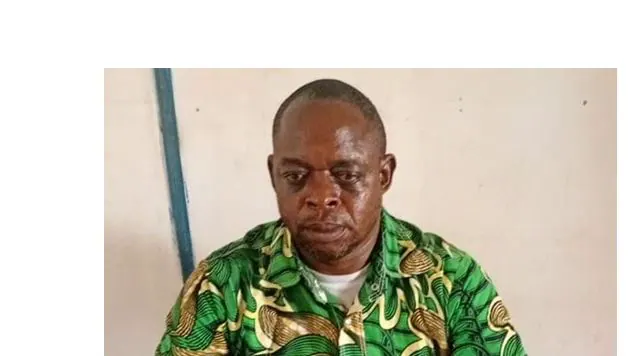
The state of disrepair of the Nia-Nia-PK51 road in the Mambasa territory of Ituri province is significantly hampering the evacuation of Ebola patients to a new treatment center. According to Dr. Joseph Pemanakue, the zone's chief medical officer, the road's condition is a major obstacle to providing timely care. The new Ebola Treatment Center (CTE) in Nia-Nia, built by Médecins Sans Frontières (MSF) Espagne, has a capacity of 50 beds and has been receiving patients for about a week.
The new center, equipped with a laboratory for diagnosing suspected cases, is a significant improvement over the previous facility. However, the ambulance has difficulty navigating the road, which is in an advanced state of disrepair. Dr. Pemanakue noted that the road conditions hinder the evacuation of patients, despite the availability of the new treatment center. The center's laboratory enables medical staff to conduct diagnostic tests, and samples are sent to Bunia for confirmation.
The Ituri province in the Democratic Republic of the Congo has been dealing with Ebola outbreaks, and the new treatment center is a crucial part of the response efforts. The MSF Espagne-built facility is designed to provide better care for patients, but the poor road conditions are limiting its effectiveness. Dr. Pemanakue emphasized that the road is a significant challenge to providing timely medical care.
According to Dr. Pemanakue, the new center has been receiving patients transferred from the old treatment center. The laboratory at the new center enables medical staff to conduct diagnostic tests, and samples are sent to Bunia for confirmation. This process is necessary for validating the results, and it sometimes yields a high number of positive cases.
The challenges posed by the poor road conditions are not limited to patient evacuation. The transportation of medical supplies and equipment is also affected, which can compromise the quality of care provided. The Congolese health authorities are working to address the issue, but a lasting solution is yet to be implemented.
Dr. Pemanakue highlighted the importance of a functional road network in responding to health crises like the Ebola outbreak. He noted that the road conditions in the area are a concern for the health authorities and that efforts are needed to improve the infrastructure. The situation is being closely monitored, and stakeholders are working to find a solution.
The Ebola response efforts in Ituri province require a multi-faceted approach, including addressing the infrastructure challenges. The Congolese health authorities, with the support of international partners like MSF Espagne, are working to contain the outbreak and provide quality care to patients. Key to this effort is the improvement of the road network to facilitate the evacuation of patients and transportation of medical supplies.
Key points
- The poor state of the Nia-Nia-PK51 road is hindering the evacuation of Ebola patients to the new treatment center in Ituri province.
- The new Ebola Treatment Center in Nia-Nia has a capacity of 50 beds and is equipped with a laboratory for diagnosing suspected cases.
- The Congolese health authorities are working to address the infrastructure challenges and improve the response efforts to the Ebola outbreak.