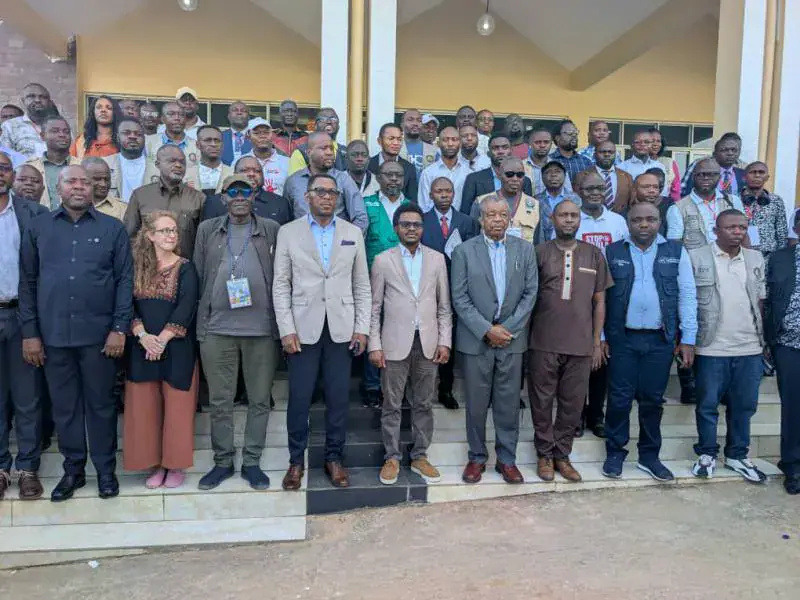
The Democratic Republic of Congo has taken steps to assess and strengthen its response to the ongoing Ebola outbreak. From October 28 to 30, nearly 190 international, national, and local health actors convened in Kisangani for a review of the Ebola response. The meeting, themed "capitalizing on achievements, addressing challenges, and strengthening response effectiveness," focused on evaluating the current response and identifying areas for improvement. The review covered several provinces affected by the Bundibugyo strain of Ebola.
According to Dr. Steve Ahuka, incident manager of the 17th epidemic, the response has shown positive trends. There has been a general decline in the number of cases and deaths. Some areas have reported no new cases for over 42 days, including Kisangani. The province of Sud Ubangi is expected to surpass this threshold soon. In Ituri, the epicenter of the outbreak, several health zones have gone over 21 days without reporting new cases.
Despite progress, the response still faces significant challenges. With over 1,000 confirmed cases, the response efforts remain fragile. Resistance to response efforts has been reported in some areas, including Bafwasende, where community resistance has led to ongoing transmission. The review highlighted the need for improved vaccination and post-exposure prophylaxis strategies. Participants emphasized the importance of sustaining and expanding these practices to more sites.
The review led to several new decisions aimed at strengthening the response. One key decision is to improve care and feeding for individuals in quarantine and treatment centers. Dr. Ahuka noted that some centers had not provided optimal care. Enhancing contact tracing and follow-up was also identified as crucial to breaking the transmission chain. The response will focus on allocating more resources to achieve this goal.
Strengthening the presence of local authorities in the response was another key recommendation. The province of Haut-Uele was cited as a model for this approach. Governor Jean Bakomito shared his experience of engaging with local communities to overcome resistance. By working with local leaders and communities, the response aims to reduce resistance and improve outcomes.
The response efforts will also focus on addressing the issue of unpaid personnel and improving data management. An investigation had revealed that some personnel had not been paid, and there were concerns about the accuracy of data. The new strategy aims to address these issues and improve the overall effectiveness of the response.
The DRC and its partners are committed to implementing these new decisions to strengthen the Ebola response. With a renewed focus on community engagement, improved care, and enhanced contact tracing, the response aims to overcome the remaining challenges and bring an end to the outbreak. The review in Kisangani marked an important step towards achieving this goal.
Key points
- The DRC Ebola response is being strengthened through a review of current efforts and new decisions.
- Over 1,000 confirmed cases have been reported, and the response remains fragile.
- New strategies focus on community engagement, improved care, and enhanced contact tracing.