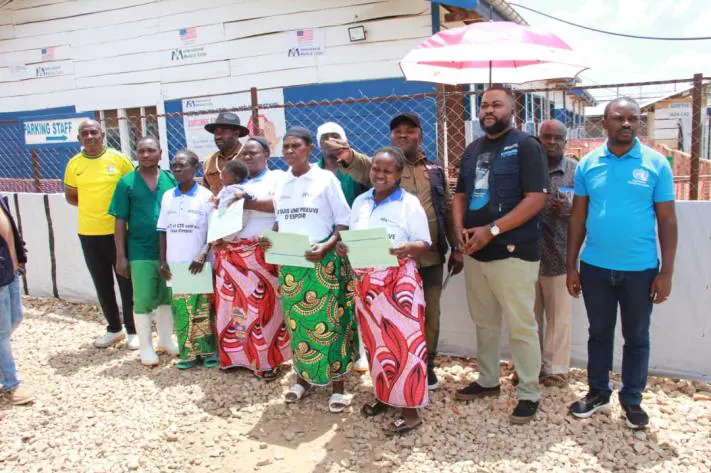
A new surge in Ebola cases has been reported in North Kivu, Democratic Republic of Congo, with a 73% increase in cases this month. This development has raised concerns over the potential for the disease to spread further. The province now accounts for the majority of Ebola cases in the country. The increase in cases has been reported in both urban areas, such as Beni, and rural villages.
The resurgence of Ebola in North Kivu comes as the disease had previously shown signs of slowing down. Neighboring Ituri province has seen a 26% decrease in cases. However, North Kivu's treatment centers are now saturated, raising concerns over the ability to contain the outbreak. The World Health Organization (WHO) and other UN agencies have been instrumental in the fight against Ebola in the DRC.
The Congolese government, led by President Félix Tshisekedi, has faced criticism for its handling of the Ebola outbreak. The government has been accused of lacking dynamism and punch in its response to the crisis. President Tshisekedi's focus on seeking a third term has also raised concerns over his ability to mobilize a national response to the outbreak.
The current Ebola outbreak is the 17th to affect the DRC. The disease has caused significant damage and loss of life, particularly in the eastern region of the country. The virus responsible for the outbreak is a rare strain, known as the Bundibugyo virus, for which there is no specific vaccine or approved treatment.
Despite the challenges, there are hopes that the government and international partners can work together to contain the outbreak. The WHO and other agencies have made significant progress in the fight against Ebola. However, the situation remains fragile, and vigilance is required at all levels to prevent further spread of the disease.
The DRC government has made efforts to respond to the outbreak, and it is credited with preventing the disease from spreading to the capital, Kinshasa. However, the situation in North Kivu remains critical, and the government must continue to work with international partners to bring the outbreak under control.
The population in affected areas must also play its part in preventing the spread of the disease. People must continue to follow guidelines set by healthcare workers and avoid reverting to old habits that could lead to further transmission. Researchers must also accelerate efforts to develop an effective vaccine or treatment for Ebola.
Key points
- The Ebola outbreak in North Kivu has surged by 73% this month, raising concerns over containment.
- Treatment centers in North Kivu are saturated, exacerbating the crisis.
- The Congolese government faces criticism over its handling of the outbreak.