The Africa Centres for Disease Control and Prevention (Africa CDC) has called an urgent virtual meeting of several African health ministers to address the escalating Ebola outbreak. The goal is to enhance coordination among affected countries, improve preparedness, and provide support to states battling the virus. The outbreak, caused by the Ebola Bundibugyo virus, has spread to the Democratic Republic of Congo (DRC), Uganda, Kenya, and Nigeria.
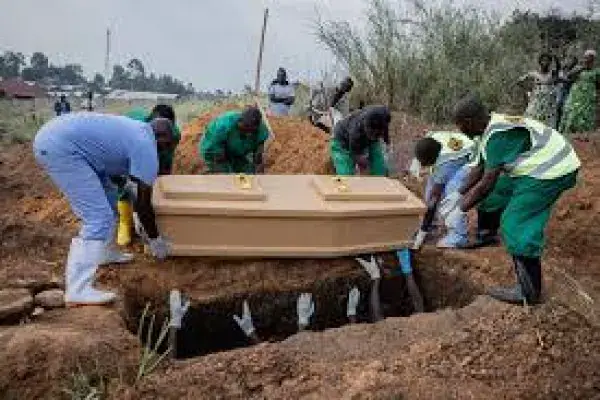
According to the latest reports, the epidemic has resulted in over 10,000 confirmed cases and nearly 5,000 deaths, primarily in the DRC. The mortality rate in the DRC stands at approximately 50%, as reported by the Congolese Public Health Institute. The situation has raised concerns, particularly with the detection of a case in Nigeria, which has sparked questions about the origin of the contamination.
A Nigerian patient, who is the wife of a diplomat, had recently spent two weeks in Uganda, where the epidemic was officially declared over in August. She is currently receiving treatment in Switzerland. The Africa CDC director has expressed concerns about inadequate border controls, suggesting that she may have been infected at various locations. In Kenya, nine positive cases have been reported, including two fatalities, and several individuals who came into contact with the infected are under surveillance.
The emergency meeting aims to facilitate better coordination among African countries in responding to the outbreak, which has now crossed national borders. Health officials will discuss strategies to contain the spread of the virus, enhance surveillance, and provide support to affected communities. The meeting is crucial in preventing further spread and mitigating the impact of the epidemic.
The Ebola outbreak has highlighted weaknesses in Africa's preparedness and response to public health emergencies. The Africa CDC has been working closely with national health authorities to strengthen surveillance, enhance laboratory capacity, and improve response coordination. However, the current situation underscores the need for sustained efforts to build resilience and capacity to respond to health crises.
The international community has expressed concern about the outbreak, with the World Health Organization (WHO) and other global health partners providing support to affected countries. The situation remains fluid, and health officials are working tirelessly to contain the outbreak and prevent further spread. The Africa CDC meeting is expected to yield critical decisions and actions to address the crisis.
As the situation continues to evolve, African countries are urged to remain vigilant and take proactive measures to prevent the spread of the virus. The public is advised to follow health guidelines, report suspicious cases, and cooperate with health authorities to contain the outbreak. The response efforts will require sustained commitment and cooperation from governments, health officials, and communities to bring the epidemic under control.
Key points
- The Ebola outbreak has resulted in over 10,000 confirmed cases and nearly 5,000 deaths, primarily in the Democratic Republic of Congo.
- The Africa CDC has called an urgent virtual meeting of several African health ministers to address the escalating Ebola outbreak.
- The outbreak has spread to the Democratic Republic of Congo, Uganda, Kenya, and Nigeria, highlighting weaknesses in Africa's preparedness and response to public health emergencies.