The World Health Organization (WHO) has confirmed a surge in Ebola cases in the health zones of Mambasa and Mandima, located in Ituri Province, northeastern Democratic Republic of the Congo. In response, a rapid intervention team has been deployed to reinforce the epidemic response. This move aims to enhance the response to the outbreak and prevent further transmission of the virus.
The WHO, in collaboration with UNICEF and logistical support from the World Food Programme (WFP), has delivered essential medicines and personal protective equipment to the Mandima health zone. This donation seeks to improve patient care and strengthen infection prevention and control measures within health facilities. The goal is to ensure an effective response to the epidemic and mitigate its impact on the affected communities.
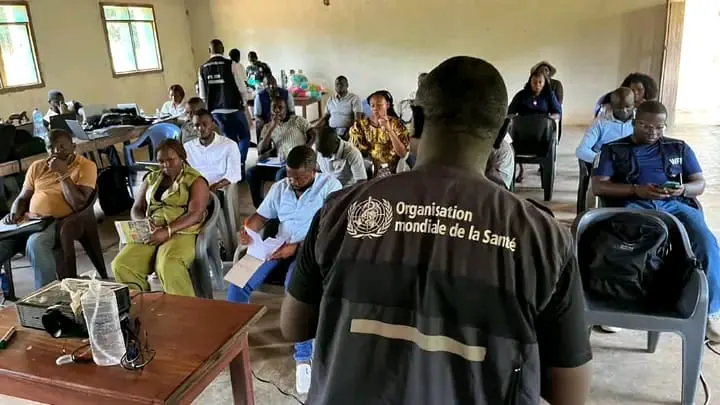
Community leaders and populations are being sensitized on the importance of adhering to public health measures to combat the outbreak. Additionally, training sessions are being organized for response actors on infection prevention and control, case management, and community engagement. These efforts aim to contribute to breaking the chain of transmission of the Ebola virus and saving lives in the affected areas.
The response efforts are focused on enhancing the capacity of health facilities to manage cases and prevent further transmission of the virus. The deployment of the rapid intervention team and the delivery of essential supplies are critical steps in this process. The collaboration between the WHO, UNICEF, and WFP underscores the commitment of international partners to support the DR Congo government's response to the outbreak.
The Ebola outbreak in Ituri Province highlights the ongoing challenges posed by the virus in the Democratic Republic of the Congo. The country has experienced recurrent outbreaks of Ebola, and the current situation underscores the need for sustained vigilance and robust response mechanisms. The rapid intervention team's deployment is a timely response to the emerging situation, and its impact will be closely monitored.
The affected communities are being encouraged to take an active role in preventing the spread of the virus. This includes adhering to public health measures, such as wearing protective masks, practicing good hygiene, and avoiding close contact with individuals who have tested positive for Ebola. By working together, it is hoped that the transmission of the virus can be brought under control, and the outbreak can be brought to an end.
The situation in Ituri Province remains a public health concern, and the response efforts will continue to be intensified to mitigate the impact of the outbreak. The collaboration between national and international partners is critical in this response, and the WHO and other organizations will continue to provide support to the DR Congo government in its efforts to control the outbreak and protect the health of the affected populations.
Key points
- A rapid intervention team has been deployed to Mambasa and Mandima in Ituri Province, DR Congo, to combat a surge in confirmed Ebola cases.