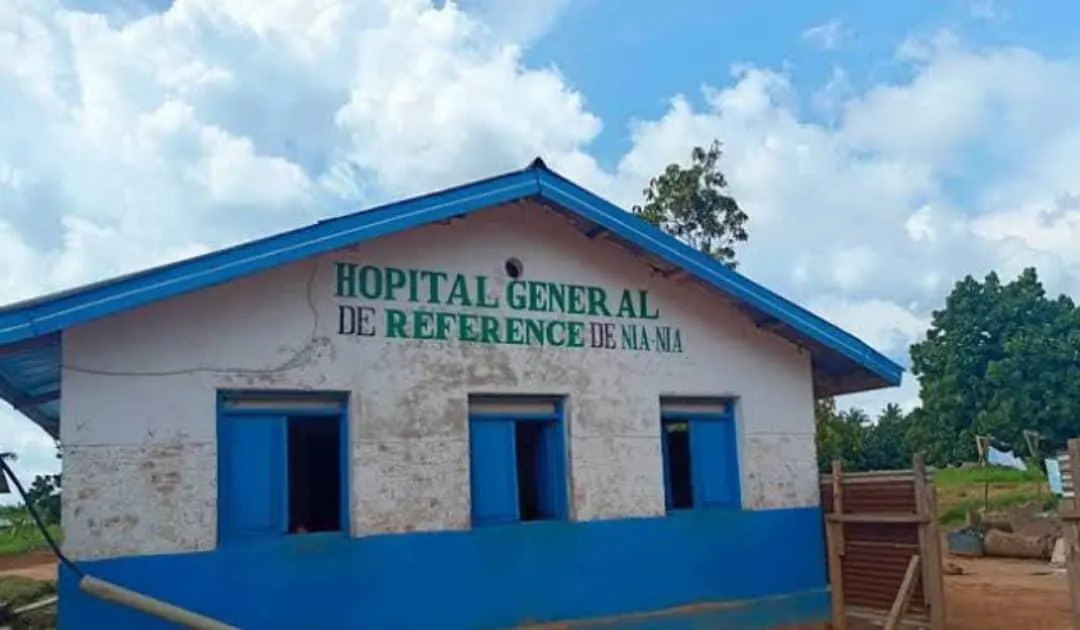
The Ebola outbreak in the Nia-Nia health zone, located in the Mambasa territory of Ituri province in northeastern Democratic Republic of the Congo, has reported a total of 313 confirmed cases. According to Dr. Joseph Pemanakue, the zone's chief medical officer, the situation remains alarming with 209 deaths and 88 recoveries recorded so far. The outbreak was reported in September 2026.
The Nia-Nia health zone has four areas currently considered to be experiencing an epidemic: Juhudi, Bafwabango, Bafwambaya, and Alimasi. Dr. Pemanakue stated that Juhudi is reporting the highest number of new cases, followed closely by Bafwabango. The persistence of community deaths is a significant concern for health officials, who are working to contain the outbreak.
Health officials are conducting post-mortem examinations to confirm Ebola cases, and the results have been consistently positive. Dr. Pemanakue expressed concern about the ongoing transmission of the disease, citing the challenges of responding to community deaths. The Congolese press agency reported that the situation is being closely monitored by health authorities.
The Ituri province is located in the northeastern part of the Democratic Republic of the Congo. The region has experienced previous Ebola outbreaks, and health officials are working to prevent further spread of the disease. The World Health Organization and other international partners are likely to be involved in the response efforts.
The Ebola outbreak in Nia-Nia is one of several health challenges facing the Democratic Republic of the Congo. The country has experienced recurring Ebola outbreaks in recent years, and health officials are working to strengthen the healthcare system and improve response to public health emergencies.
Dr. Pemanakue and other health officials are urging the public to take precautions to prevent the spread of Ebola, including avoiding close contact with individuals who are sick or have died from the disease. The situation in Nia-Nia remains a public health concern, and officials are working to contain the outbreak and prevent further spread.
The response to the Ebola outbreak in Nia-Nia involves collaboration between local health authorities, international partners, and organizations such as the Croix-Rouge. The efforts aim to provide medical care, conduct contact tracing, and implement infection control measures to prevent further transmission of the disease.
Key points
- The Ebola outbreak in Nia-Nia has reported 313 confirmed cases, including 209 deaths and 88 recoveries.
- Four areas in the Nia-Nia health zone are currently considered to be experiencing an epidemic.
- Health officials are concerned about the persistence of community deaths and are working to contain the outbreak.