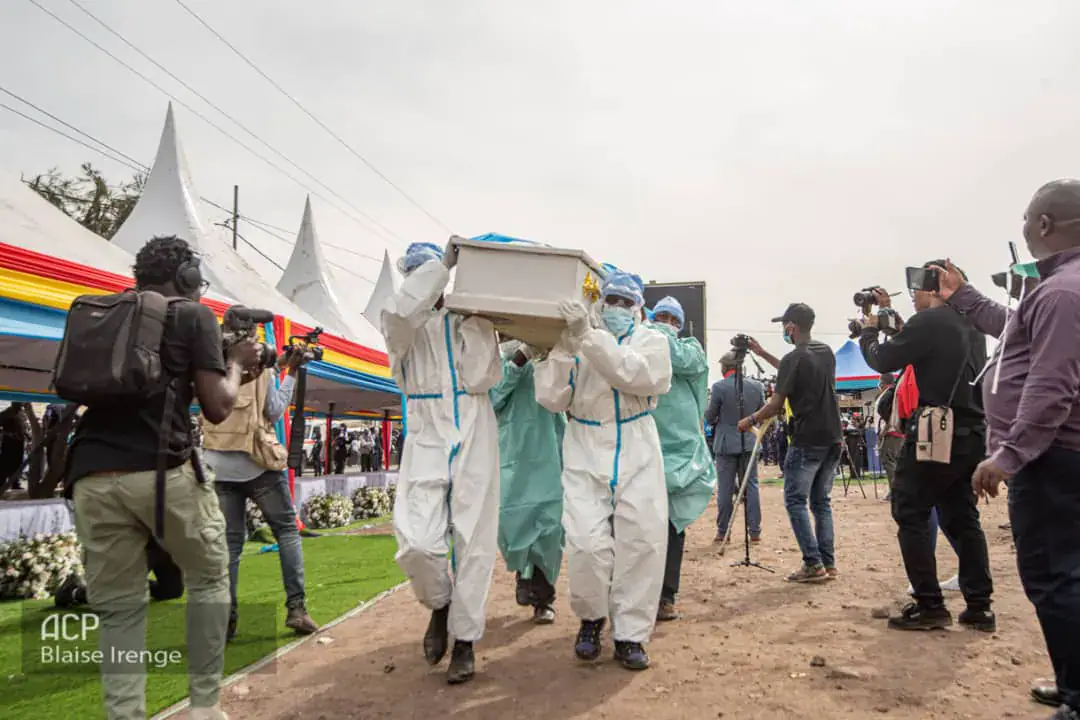
In the Mangala health zone of Djugu territory, Ituri, concerning practices persist during funerals, putting response efforts at risk. Bodies of Ebola victims are being disinfected with fuel, based on misinformation that it can kill the virus. This has led to a new surge in cases, prompting concern from health officials. The situation is particularly worrying in Mandje, where 24 suspected cases were reported in one day, followed by 25 confirmed cases within a week.
Dr. Jacques Savo, the chief medical officer of the Mangala health zone, expressed concern over families resuming high-risk funeral rituals, including cleaning and manipulating the bodies of Ebola victims, driven by false beliefs. These actions increase the risk of transmission and undermine response efforts. The resurgence of Ebola in the region highlights the need for sustained community engagement and education to address misconceptions and promote safe burial practices.
Liliane Malossi, coordinator of the NGO PRODAWI, which is involved in community sensitization, cited delays in response activities and demotivation among some responders due to logistical challenges. The poor state of roads during the rainy season and lack of transportation for response teams exacerbate these issues. These challenges hinder the effective implementation of response measures, emphasizing the need for increased support and resources.
Health actors are calling for a general mobilization to intensify community sensitization and combat misinformation. This effort aims to address the root causes of the resurgence and prevent further transmission of the disease. Community engagement and education are critical in promoting safe practices and reducing the risk of Ebola transmission.
The situation in Ituri highlights the complexities of responding to Ebola outbreaks in areas with deep-seated misconceptions and logistical challenges. Addressing these challenges requires a multi-faceted approach that includes community engagement, education, and support for response teams. The response efforts must be tailored to the specific needs and concerns of the affected communities.
The resurgence of Ebola in Ituri underscores the need for sustained vigilance and support for response efforts. The situation requires a coordinated response from health authorities, NGOs, and the international community to address the complex challenges and prevent further transmission of the disease. This includes providing resources and support for community sensitization and response activities.
The response to the Ebola outbreak in Ituri must prioritize community engagement, education, and logistical support to effectively address the resurgence of the disease. By working together, stakeholders can promote safe practices, reduce transmission, and ultimately bring the outbreak under control. Key efforts must focus on community sensitization, safe burial practices, and support for response teams.
Key points
- Misconceptions about Ebola treatment are driving the resurgence of the disease in Ituri.
- Logistical challenges, including poor road conditions and lack of transportation, are hindering response efforts.
- Community engagement and education are critical in promoting safe practices and reducing the risk of Ebola transmission.