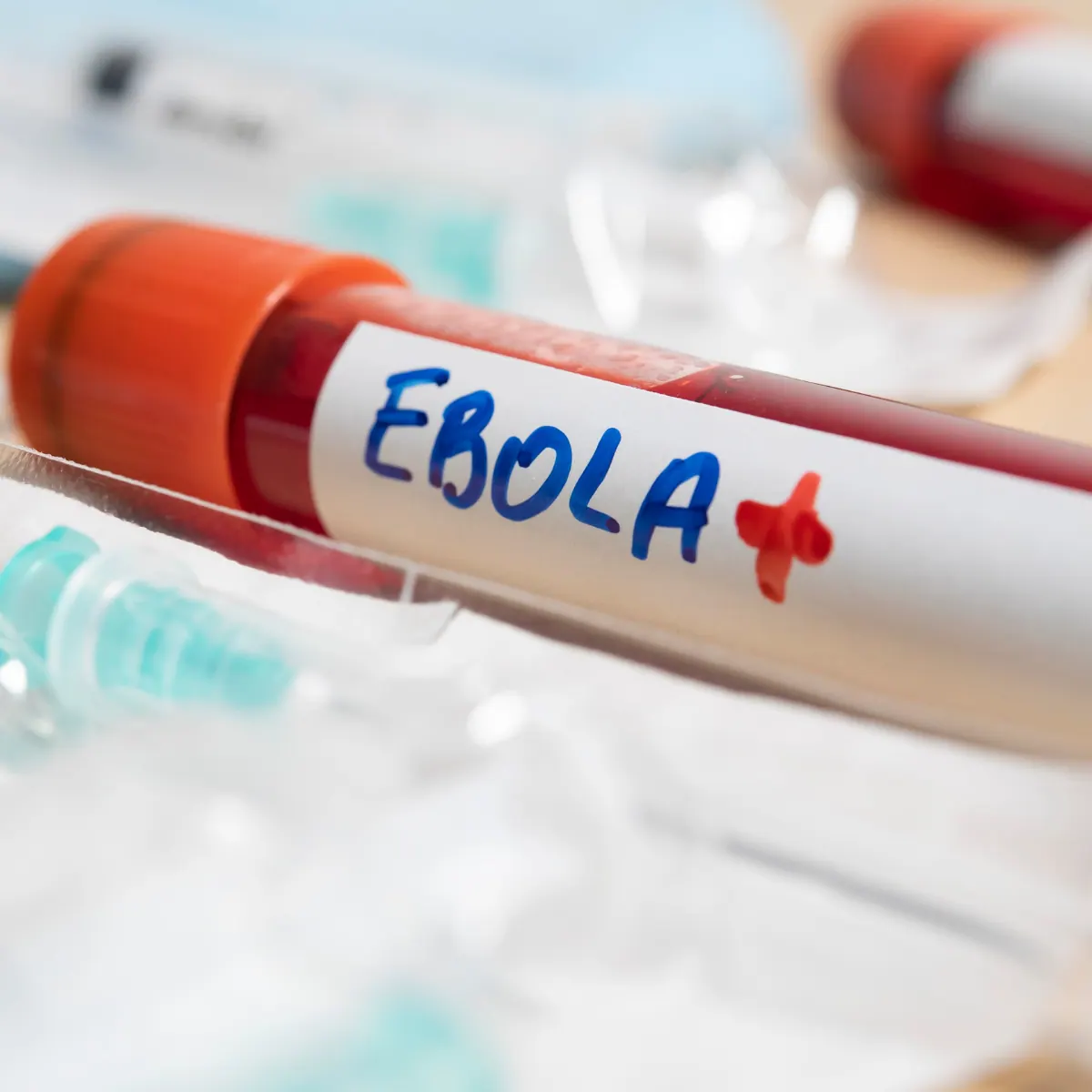
A worrying health situation has been reported in Biakato, in the Mambasa territory of Ituri, Democratic Republic of the Congo. According to local civil society actors, citing health sources, 18 people died from Ebola in just two days. These new deaths, recorded on Saturday and Sunday, have revived fears among the population. The local population is increasingly concerned about the spread of the virus.
Since the start of the epidemic, over 4,100 people have lost their lives due to Ebola, with nearly 75% of these deaths occurring in Ituri, considered one of the main hotspots of the epidemic. The increase in deaths is attributed to low awareness among the population about the importance of adhering to preventive measures. Additionally, logistical difficulties are hindering the response efforts of health teams.
Several constraints are affecting the response to the Ebola outbreak in Biakato. The mobility of health teams is limited due to a lack of fuel for the only ambulance in the Mandima health zone. Local actors also lament the absence of a mobile laboratory in Biakato, which forces them to transport samples to Komanda, over 100 kilometers away, slowing down interventions and follow-up of suspected or contact cases.
The World Health Organization (WHO) has announced the deployment of a rapid intervention team to the Mambasa and Mandima health zones in response to the resurgence of Ebola cases. The team's mission will be to strengthen response actions and help contain the spread of the virus in affected areas. This move aims to support local health authorities in controlling the outbreak.
Local civil society actors are calling on response teams to intensify awareness campaigns on the importance of adhering to barrier measures to limit the spread of the virus. They emphasize that raising awareness and improving prevention measures are crucial in controlling the epidemic. The situation remains critical, with the risk of further spread if not addressed promptly.
The Ebola outbreak in Ituri continues to pose significant challenges to health authorities and response teams. Despite efforts to contain the virus, the situation remains worrying, with new cases and deaths reported regularly. The deployment of the WHO rapid intervention team is expected to help alleviate some of these challenges and support local authorities in their response efforts.
The response to the Ebola outbreak in Ituri requires a multi-faceted approach that addresses not only the health aspects but also the social and logistical challenges. Improving awareness, enhancing prevention measures, and addressing logistical constraints are essential in controlling the spread of the virus and ultimately bringing an end to the epidemic.
Key points
- 18 people died from Ebola in two days in Biakato, Ituri.
- Over 4,100 people have lost their lives due to Ebola in the region.
- The WHO has deployed a rapid intervention team to support response efforts in Mambasa and Mandima health zones.