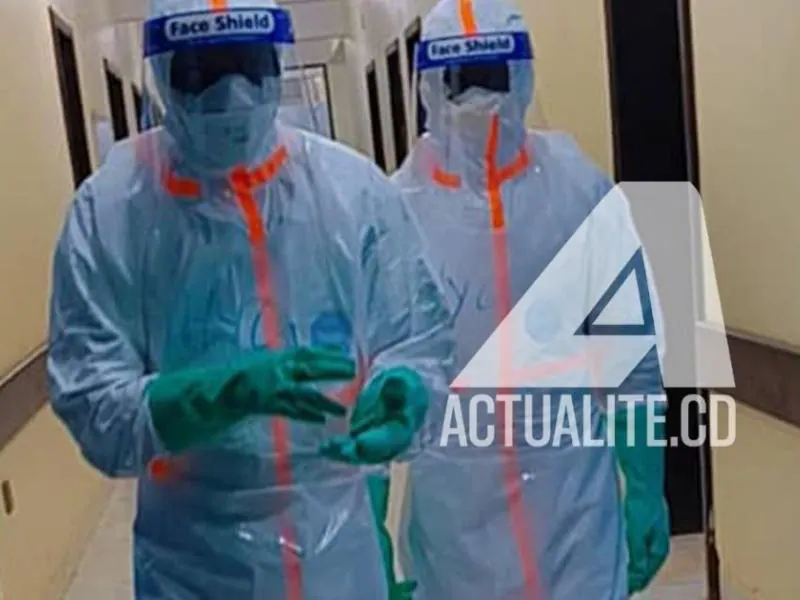
The Ebola outbreak in the Democratic Republic of Congo has reported a decline in new infections, with 56 new cases confirmed on September 24, down from 70 the previous day. According to the presidential task force's situation report, this decline is largely attributed to the North Kivu province, which reported 17 new cases, down from 31 the previous day. However, the Ituri province, the epicenter of the outbreak, reported a slight increase in new cases.
The cumulative total of Ebola cases in the DRC since the outbreak began in mid-May stands at 7,946 confirmed cases and 3,833 deaths, with a case fatality rate of 48.2%. The North Kivu province has the highest case fatality rate among the heavily affected provinces, at 59.9%. The report also notes that 2,001 patients have been declared cured, including 35 on September 24, and 848 are currently in isolation.
Despite the decline in new infections, the response efforts face several challenges. The report highlights that 23 of the 34 deaths confirmed in 24 hours occurred in the community, outside of treatment centers, particularly in Mandima, Ituri, and Beni, North Kivu. The contact tracing rate has also declined to 79.2%, down from 83.4% the previous day, and is as low as 34.8% in the Tshopo province.
The vaccination campaign is also progressing slowly, with 135 people vaccinated in Bunia in 24 hours, against a daily target of 300. In North Kivu, 36,070 frontline healthcare workers have been identified, but cold chain equipment is still being received. In Bas-Uele, teams are working with limited stocks of chlorine and fuel.
The coordination of the response efforts has also raised concerns about delayed payments to healthcare workers and the impact on continuity of activities. In the Sud-Ubangi province, the notification of a secondary case in the Bulu health zone led to the deployment of experts in vaccination and post-exposure prophylaxis, with support from Médecins sans Frontières.
The authorities have identified a risk of new transmission chains and are calling for strengthened cross-border surveillance with South Sudan and preparedness in provinces along the river corridor. In New York, the UN Secretary-General and the DRC Prime Minister discussed ongoing peace efforts in eastern DRC and the Ebola outbreak.
The situation remains fragile, with 114 patients, or nearly a third of those hospitalized, being treated in structures that do not meet standards. The response efforts require sustained support to bring the outbreak under control. The DRC government has approved a new plan for preparedness and response, and the international community has pledged support.
Key points
- The decline in new Ebola infections in the DRC is a positive trend, but response efforts face challenges.
- The contact tracing rate has declined, and vaccination efforts are progressing slowly.
- The situation remains fragile, with a risk of new transmission chains and a need for sustained support.