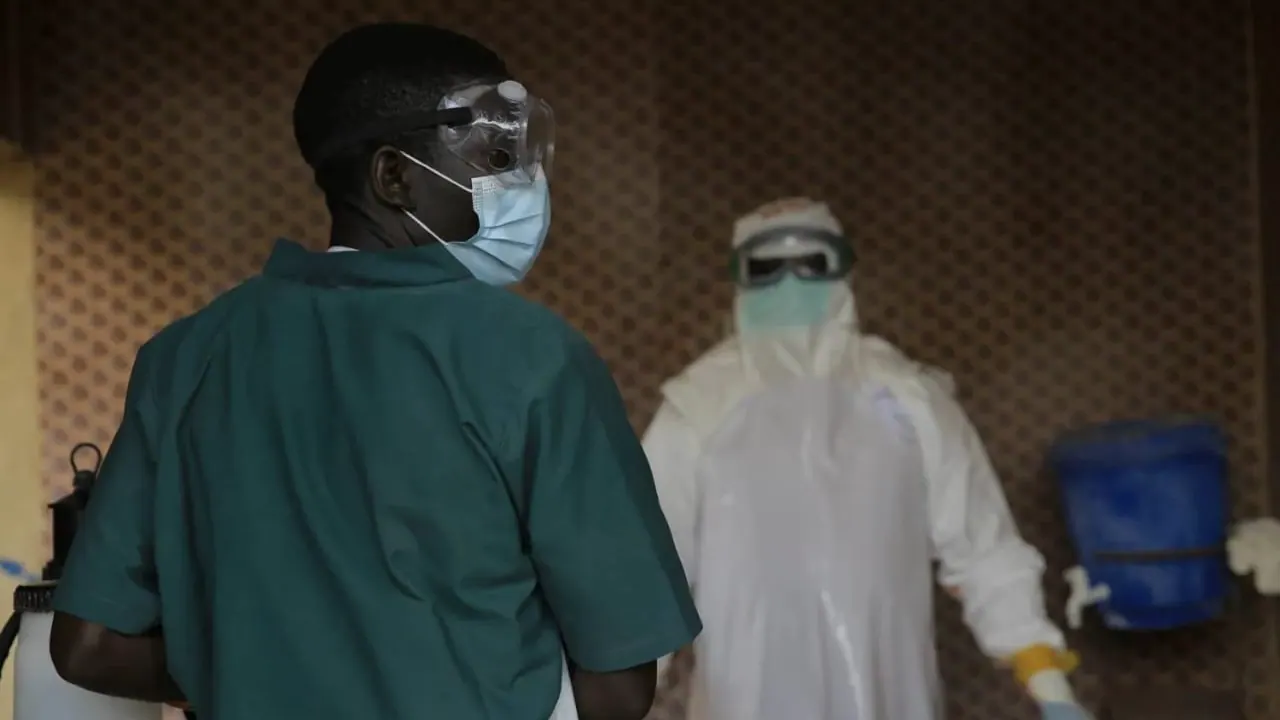
The Ebola outbreak in the Democratic Republic of Congo (DR Congo) continues to challenge containment efforts, with a record 8067 confirmed cases and over 3900 deaths reported. The current outbreak, attributed to the "Bundibugyo" strain of the Ebola virus, is the largest and deadliest in the country's history. The situation has raised concerns about the potential for further spread, particularly in areas with security and humanitarian challenges.
According to official data, the outbreak has spread rapidly, with the number of cases and deaths increasing significantly over the past few weeks. The World Health Organization (WHO) has declared the situation a public health emergency of international concern, calling for enhanced response efforts, accelerated case detection, isolation of infected individuals, and contact tracing. The organization has also expressed concerns about the movement of people across borders, which could facilitate the spread of the disease.
The outbreak has been exacerbated by several factors, including a shortage of healthcare resources and personnel, as well as the spread of misinformation that could affect the public's response to prevention and treatment measures. The situation is further complicated by the country's ongoing security challenges, which have hindered efforts to monitor and track contacts.
The current outbreak has surpassed the number of cases reported during the 2018-2020 outbreak in DR Congo. However, it remains smaller than the 2014-2016 outbreak in West Africa, which recorded over 28,000 cases and more than 11,000 deaths. The international community has expressed concerns about the potential for further spread, with some countries neighboring DR Congo enhancing their surveillance and screening measures.
The WHO and other health organizations have deployed teams to support response efforts, including providing medical supplies, training healthcare workers, and enhancing laboratory capacity. The organizations have also engaged with local communities to raise awareness about the risks of Ebola and promote preventive measures.
Despite these efforts, the situation remains challenging, with many areas of concern still unaddressed. The response efforts have been hindered by insecurity, logistical challenges, and funding constraints. The international community has pledged support, but the response efforts require sustained commitment and resources to bring the outbreak under control.
The situation in DR Congo serves as a reminder of the ongoing risks posed by Ebola and the need for continued vigilance and preparedness. The global community must remain engaged and committed to supporting response efforts, both in DR Congo and in other countries affected by the outbreak.
Key points
- The Ebola outbreak in DR Congo has claimed over 3900 lives, with 8067 confirmed cases reported.
- The outbreak has been attributed to the "Bundibugyo" strain of the Ebola virus.
- The World Health Organization has declared the situation a public health emergency of international concern.