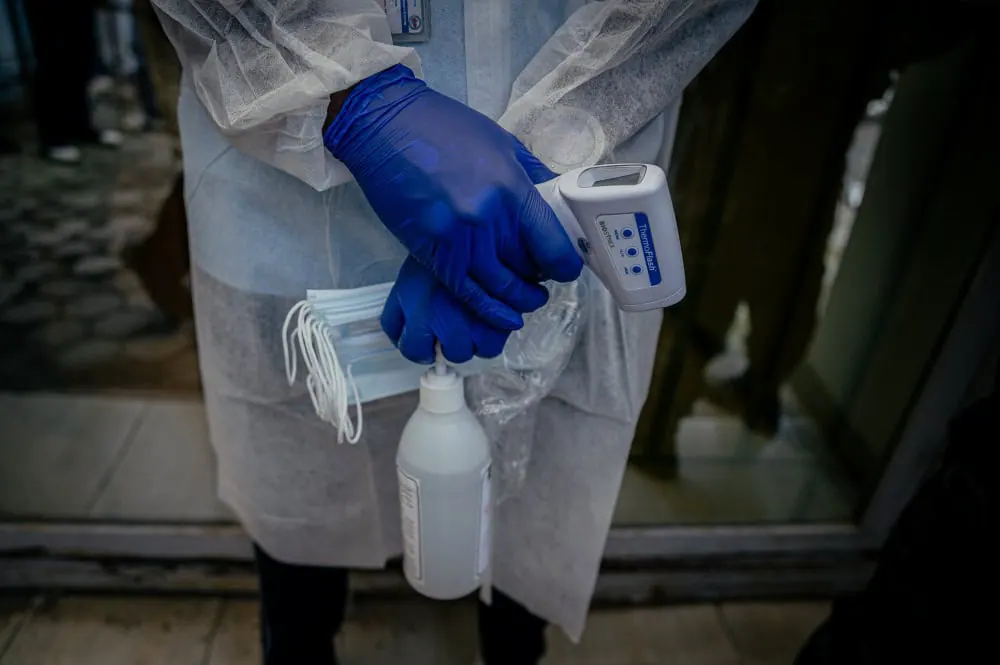
The Ebola outbreak in the Democratic Republic of Congo (DRC) has claimed over 3,900 lives, with more than 8,000 confirmed cases reported since May. According to the DRC's National Institute for Health, there are 8,067 confirmed Ebola cases, including 3,901 deaths. The outbreak was declared in May, and the situation remains dire, with 63 health zones affected.
Despite a 26% decline in cases in the Ituri province, the epicenter of the outbreak, the situation is worsening in neighboring North Kivu province, which reported a 73% increase in positive cases last month. New cases have also been reported in South Ubangi and Haut-Uele provinces. The World Health Organization (WHO) has confirmed new cases in Bulu, South Ubangi, and Dungu in Haut-Uele, which borders South Sudan.
The WHO has cited conflict in various parts of the DRC and displaced communities as major challenges in responding to the outbreak. Director-General Tedros Adhanom Ghebreyesus said that the conflict and displacement make it difficult for health workers to reach affected communities and conduct contact tracing. The WHO and other health authorities are working to contain the outbreak, but the situation remains complex.
In an effort to combat the outbreak, the United Nations has delivered 20,000 doses of the Ervebo vaccine to the Ituri province as part of a research program. The vaccine has been shown to be effective against the Zaïre strain of Ebola, but its efficacy against the Bundibugyo strain is being studied. A total of 70,000 doses of the vaccine have been provided to the DRC's health authorities.
Pope Leo XIV has called for international support to help combat the Ebola outbreak in the DRC. In a statement, the Pope expressed his concern for the situation and urged the international community to respond to the crisis. He also prayed for the DRC, particularly for those affected by the outbreak, and emphasized the need for solidarity and support.
The Ebola outbreak in the DRC has highlighted the need for sustained international support and cooperation to contain the crisis. The WHO and other health authorities are working tirelessly to respond to the outbreak, but the situation remains challenging. The international community has been urged to provide support to help combat the outbreak and prevent further spread of the disease.
The response efforts have been hindered by cultural and community concerns, including resistance to the use of body bags for burials. However, community dialogues and engagement have helped address these concerns and promote cooperation. The WHO and other health authorities continue to work with local communities and leaders to contain the outbreak and prevent further spread of the disease.
Key points
- Over 8,000 people have been infected with Ebola in the Democratic Republic of Congo since May.
- The outbreak has claimed nearly 3,900 lives, with 63 health zones affected.
- The World Health Organization is working with local authorities to contain the outbreak and prevent further spread of the disease.