A recent survey conducted in Ituri province, eastern DR Congo, has revealed a disturbing trend of increased violence and abuse against women and girls since the Ebola outbreak began. The survey, conducted by UNICEF, SOFEPADI, and Washington University in St. Louis, found that nearly six in 10 women and adolescent girls reported that violence and abuse had started or intensified in their lives since the outbreak. The findings highlight the often-overlooked consequences of public health emergencies on vulnerable populations.
The survey, which interviewed 1,062 people and consulted with young people and frontline workers, found that more than a third of respondents described someone taking control over their lives, including emotional and psychological abuse, physical and sexual violence. Women reported growing control over their movement, money, and phone use, leading to fear and stress within households. This control can be suffocating, limiting women's ability to seek help or leave their homes.
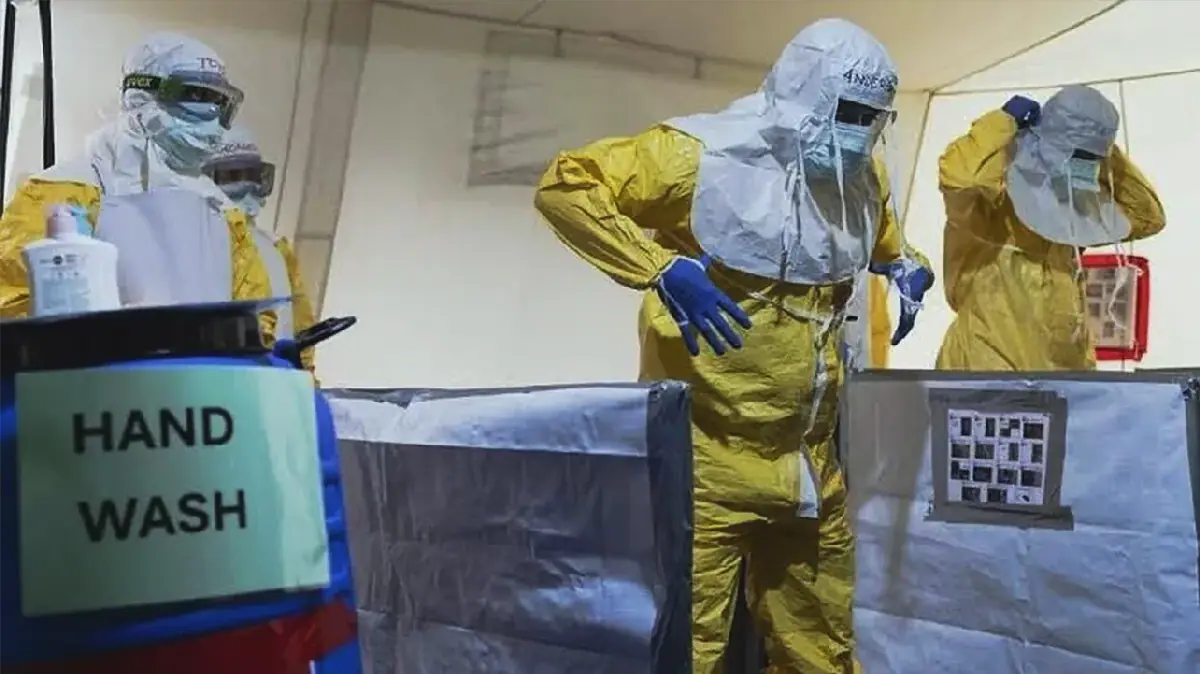
The Ebola response efforts, while essential to containing the outbreak, have inadvertently exacerbated the situation. In areas where isolation, quarantine, or contact tracing have been implemented, seven in 10 women surveyed live in households that have been affected, with nearly two in three reporting new or increased violence. Nine in 10 linked the violence to the stress and fear brought on by the outbreak. This highlights the need for a more comprehensive response that addresses the intersecting needs of public health and protection.
Women in Ituri province were already vulnerable to violence before the Ebola outbreak, with years of conflict and displacement eroding protections. SOFEPADI's National Coordinator, Sandrine Lusamba, noted that women and girls were already living with high levels of violence, and the health crisis has brought new threats of violence, stigma, and difficulty accessing essential services. The situation is further complicated by the fact that women carry a significant share of the response efforts, including nursing sick relatives and accompanying children to health facilities.
Despite the efforts of UNICEF and its partners to support survivors of gender-based violence, services for women and children remain severely underfunded. A 76% funding gap exists for these critical services, which has resulted in a shortage of safe spaces and support services for survivors. UNICEF and SOFEPADI are calling for increased funding and support to keep these services open and accessible, particularly in areas where Ebola is spreading.
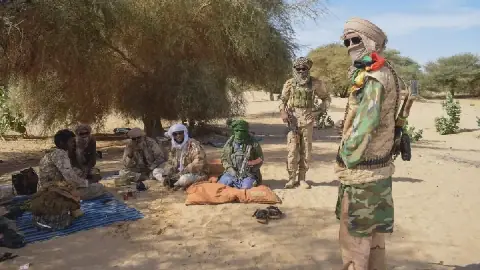
The security situation in Ituri province is deteriorating, with heavy fighting reported around a hospital and response teams sheltering in a maternity ward for over 48 hours. The World Health Organisation (WHO) has temporarily relocated its response team and partners due to the insecurity. The agency has stressed that hospitals must remain safe and accessible to everyone, particularly pregnant women and those in need of medical care.
The crisis in Ituri province highlights the need for a more comprehensive response to public health emergencies that addresses the intersecting needs of vulnerable populations. The measure of a response is not just the infections it prevents, but also who it leaves exposed. As the situation continues to unfold, it is essential that the response efforts prioritize the protection and support of women and girls, including providing safe spaces and survivor support services.
Key points
- Nearly 6 in 10 women and girls surveyed in Ituri province report increased violence and abuse since Ebola outbreak began
- Services for women and children remain severely underfunded, with a 76% funding gap
- Response efforts must prioritize protection and support of women and girls, including safe spaces and survivor support services
Reporting sources
- The second epidemic: Ebola’s shadow falls on the women of Ituri · The African Mirror