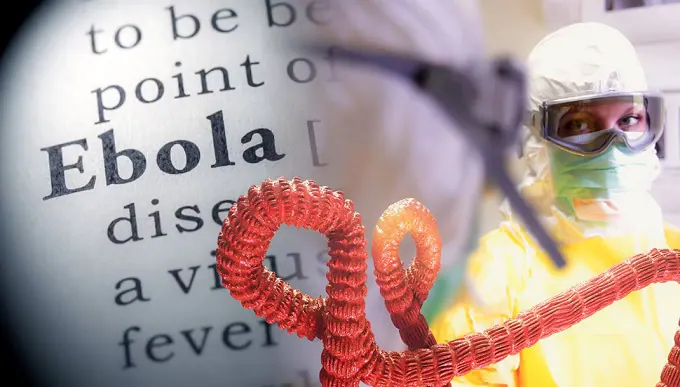
The Ebola outbreak in the Democratic Republic of Congo has continued to spread, with the number of confirmed cases exceeding 8,000. According to the Congolese Ministry of Health, as of September 26, there were 8,067 confirmed cases, including 3,901 deaths, resulting in a fatality rate of over 48%. The outbreak, caused by the rare Bundibugyo virus, has spread to 63 health zones across 7 of the country's 26 provinces since it was declared on May 15.
The World Health Organization (WHO) has warned that the continued high mortality rate, particularly in rural areas, reflects the severity of the disease and the challenges of detecting cases early and providing adequate care to patients. The WHO stated that the ongoing increase in mortality rate highlights the need for improved detection and treatment of cases. The organization has also expressed concerns about the impact of the outbreak on the country's healthcare system.
The outbreak has also had a significant impact on the country's healthcare services. According to the United Nations Office for the Coordination of Humanitarian Affairs, the mobilization of resources to combat Ebola has started to affect other essential health services in the affected areas. In the province of Ituri, routine primary healthcare services decreased by 13% between April and June, due to a shortage of healthcare workers and operational pressures.
The Congolese government and international organizations are working to contain the outbreak, but they face significant challenges. The affected areas are remote and difficult to access, making it hard to detect cases and provide care to patients. Additionally, there are concerns about the safety of healthcare workers and the risk of transmission.
The WHO and other international organizations have called for increased support to help contain the outbreak. This includes providing additional funding, healthcare workers, and equipment to support the response efforts. The organization has also emphasized the need for improved coordination and communication between different stakeholders to ensure a more effective response.
The Ebola outbreak in the Congo has also had significant economic and social impacts. The outbreak has led to a decline in economic activity, particularly in the affected areas, and has also resulted in social distancing measures and travel restrictions. These measures have had a significant impact on the daily lives of people in the affected areas.
The situation remains critical, with ongoing efforts to contain the outbreak and prevent further spread. The international community continues to provide support to the Congolese government and healthcare workers to help bring the outbreak under control. Key efforts include providing medical supplies, training healthcare workers, and supporting contact tracing and surveillance.
Key points
- The Ebola outbreak in the Congo has surpassed 8,000 cases, with a death toll of over 3,900.
- The outbreak has spread to 63 health zones across 7 provinces, with a fatality rate of over 48%.
- The WHO has warned that the continued high mortality rate reflects the severity of the disease and the challenges of detecting cases early and providing adequate care to patients.