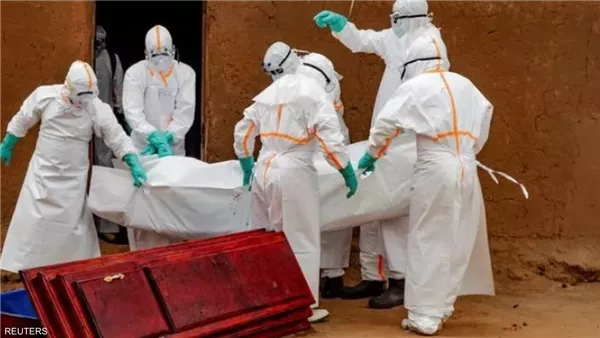
The Ebola outbreak in the Democratic Republic of Congo continues to spread, with the number of confirmed cases exceeding 8,000 and 3,901 deaths reported. According to the Congolese Ministry of Health, as of September 26, there were 8,067 confirmed cases, with a fatality rate of over 48%. The outbreak, caused by the rare Bundibugyo virus, has spread to 63 health zones across seven of the country's 26 provinces since it was declared on May 15.
The World Health Organization (WHO) has warned that the high fatality rate, particularly in rural areas, reflects the severity of the disease and the challenges of detecting cases early and providing adequate care to patients. The WHO said that the continued high fatality rate highlights the need for improved early detection and treatment of patients. The organization has been working to contain the outbreak, but the response efforts have been hindered by a shortage of healthcare workers and logistical challenges.
The outbreak has also had a broader impact on the country's healthcare system. According to the United Nations Office for the Coordination of Humanitarian Affairs (OCHA), the response to the Ebola outbreak has affected other essential health services in the affected areas. In the province of Ituri, routine primary healthcare services decreased by 13% between April and June, due to a shortage of healthcare workers, operational pressures, and community fears of infection and isolation.
The Congolese Ministry of Health has been working to contain the outbreak, with support from international partners, including the WHO and the United Nations. The ministry has deployed teams to affected areas to provide medical care and support to patients and their families. However, the response efforts have been hindered by a shortage of resources, including funding, personnel, and equipment.
The Ebola outbreak in the Democratic Republic of Congo is one of the largest and most complex in recent years. The country has experienced several Ebola outbreaks since the virus was first identified in 1976, but this outbreak is particularly challenging due to the rural location of the affected areas and the ongoing conflict in the region.
The WHO has called for increased support to help contain the outbreak and prevent further spread of the disease. The organization has also emphasized the need for improved infection prevention and control measures in healthcare facilities, as well as community education and awareness-raising to reduce the risk of transmission.
The situation remains critical, with the risk of further spread of the disease remaining high. The international community continues to provide support to the Congolese government and its partners to help contain the outbreak and prevent further humanitarian suffering.
Key points
- The Ebola outbreak in Congo has resulted in 8,067 confirmed cases and 3,901 deaths.
- The high fatality rate, particularly in rural areas, reflects the severity of the disease and the challenges of detecting cases early and providing adequate care to patients.
- The outbreak has had a broader impact on the country's healthcare system, with routine primary healthcare services decreasing by 13% in the affected areas.