The Ebola outbreak in the Democratic Republic of the Congo has claimed 5,372 lives as of Friday, according to the country's National Institute of Biomedical Research. The fatality rate stands at 51.6%, indicating that over half of those diagnosed with the disease succumb to it. This data was released in a situation report on Sunday, providing an update on the ongoing crisis. The report also revealed that there have been 10,414 confirmed Ebola cases in the country.
A significant increase in reported deaths was attributed to a retrospective adjustment of data between the local data processing team and the Ituri Province outbreak management team. This adjustment, rather than a single-day surge, accounted for the rise in fatalities. The outbreak, caused by the Bundibugyo strain of Ebola, was declared in mid-May and has since proven challenging to manage. This strain has no known vaccine or treatment, but health workers are treating patients based on symptoms.
According to the Africa Centers for Disease Control and Prevention, approximately 80% of new cases are emerging from outside the chain of monitored contacts. This suggests that an overwhelming majority of infections are coming from unknown chains of transmission to health authorities. The situation is further complicated by the fact that cases have been recorded in neighboring countries, including Uganda, Kenya, and Nigeria.
The Ebola outbreak in DR Congo has been marked by fear and misinformation, which have hindered the response efforts. Despite the challenges, health workers continue to treat patients and implement measures to contain the outbreak. The situation report from the National Institute of Biomedical Research provides critical data that informs the response efforts and helps to track the spread of the disease.
The Bundibugyo strain of Ebola, which is responsible for the current outbreak, is a significant concern due to the lack of a known vaccine or treatment. Health workers are relying on symptom-based treatment to manage patients. The outbreak has also highlighted the need for improved preparedness and response measures in the region.
The international community has expressed concern about the potential for a continent-wide spread of the disease. In response, countries have tightened border checks and implemented measures to detect and respond to cases. The situation in DR Congo serves as a reminder of the need for continued vigilance and cooperation in the face of infectious disease outbreaks.
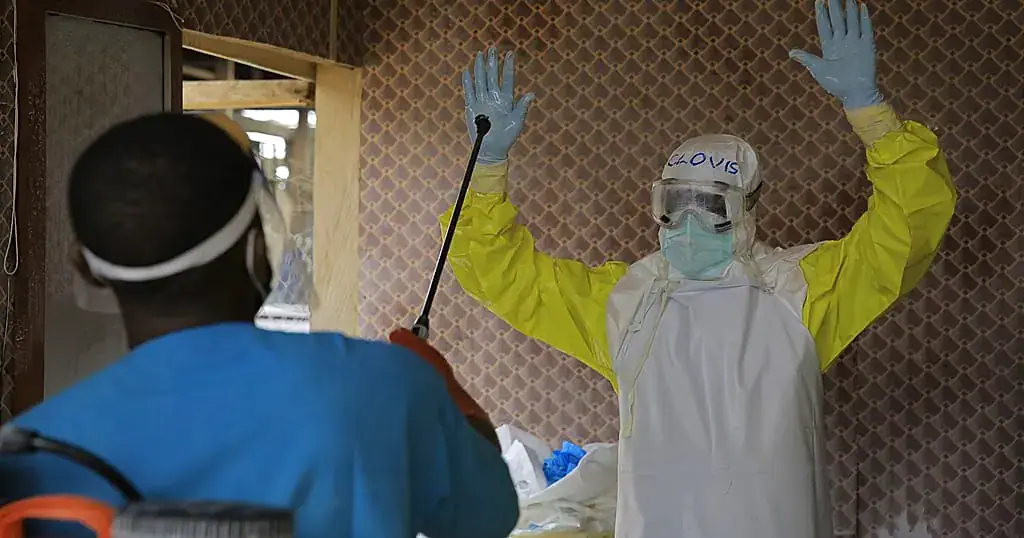
Efforts to combat the outbreak are ongoing, with organizations like Médecins Sans Frontières (MSF) working to provide medical care and support to affected communities. The response efforts are critical to containing the outbreak and reducing the number of cases and fatalities. Key measures include enhanced surveillance, contact tracing, and community engagement to promote awareness and cooperation.
Key points
- The Ebola outbreak in DR Congo has a fatality rate of 51.6% and has claimed 5,372 lives.
- The outbreak is caused by the Bundibugyo strain of Ebola, which has no known vaccine or treatment.
- Approximately 80% of new cases are emerging from outside the chain of monitored contacts.