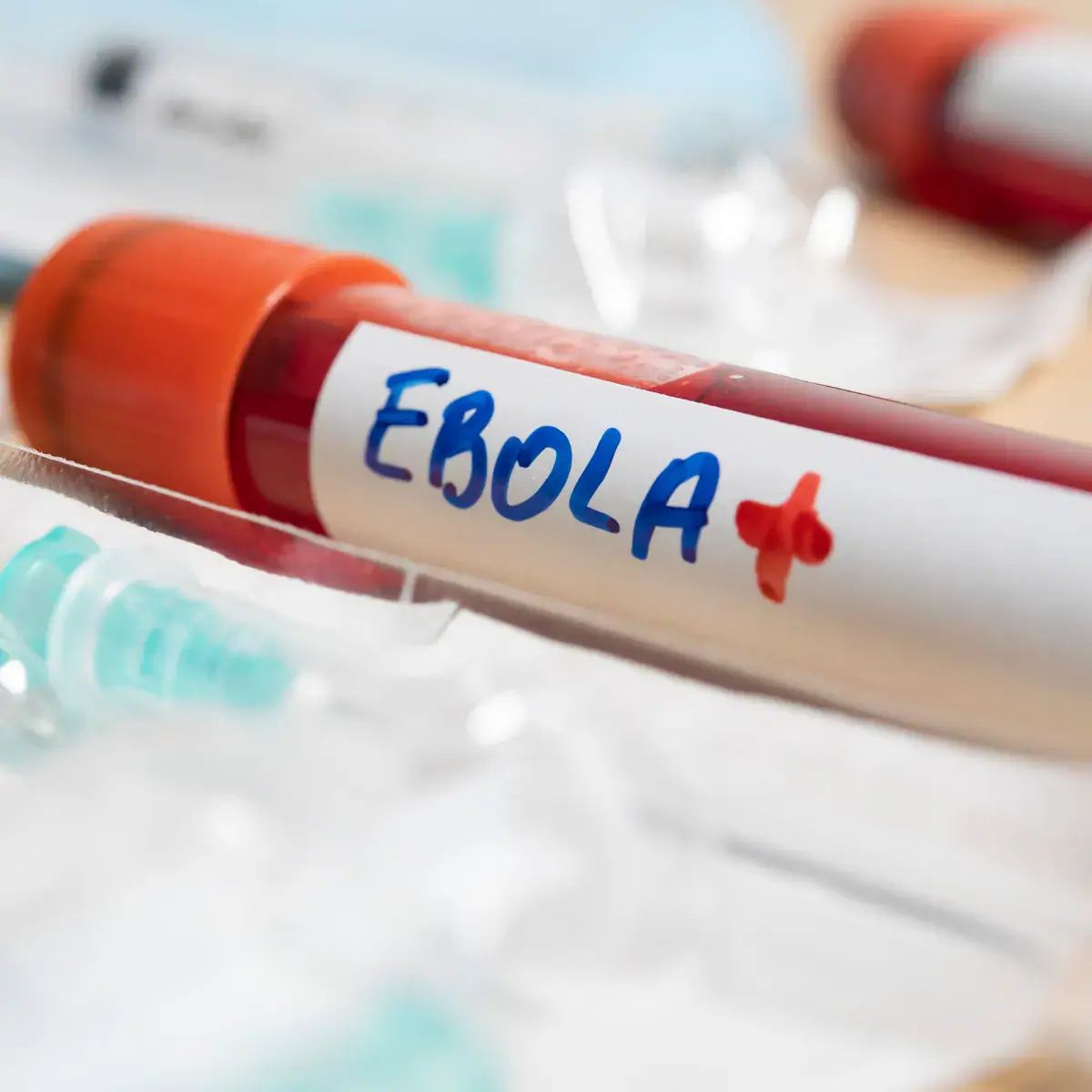
The Ebola epidemic in the Democratic Republic of Congo has reached critical proportions, with over 10,600 confirmed cases and nearly 5,200 deaths reported. According to Dr. Jean Kaseya, director-general of Africa CDC, the outbreak has spread to eight provinces and 67 health zones in the DRC. The situation is particularly dire in the Ituri province, where insecurity, armed groups, and heavy rainfall are hindering the work of health teams and the search for suspected cases.
The response to the epidemic is facing significant challenges, with over 85% of new cases escaping contact tracing and nearly two-thirds of deaths occurring within communities. Despite these challenges, the World Health Organization (WHO) has announced the integration of two new vaccine candidates, ChAdOx1 and mRNA-1469, into the ongoing clinical trial "Tumaini" in the DRC. This marks a significant development in the evaluation of vaccines targeting the Bundibugyo virus during a full-blown epidemic.
The epidemic has also led to tensions between the government and the opposition coalition C64. The coalition's initiative to meet with former President Joseph Kabila in Goma has been met with a categorical rejection from the government. The interior minister, Jacquemain Shabani, has warned that any unauthorized travel to Goma to meet Kabila would expose those involved to judicial prosecution.
The government has justified its stance by citing the penal code's provisions on unauthorized relations with enemy agents during wartime. The C64 coalition is now faced with a dilemma, with some analysts suggesting that they may have to choose between backing down or rebelling against Shabani's directive. Despite this warning, Moïse Katumbi and other C64 leaders have maintained their plan to travel to Goma to promote an inclusive dialogue.
The situation has opened a new front of political and security tensions in the country. The opposition coalition's move has been seen as a challenge to the government's authority, with some analysts suggesting that it could lead to further instability. Meanwhile, the DRC's President Félix Tshisekedi is facing a triple dilemma: reconquering occupied territories, organizing a referendum, and navigating the complexities of dialogue with the opposition.
The Ebola epidemic has also highlighted the need for a more effective response to the crisis. The WHO has emphasized the importance of a robust and coordinated response to bring the epidemic under control. The organization has also called for increased support from the international community to help the DRC tackle the crisis.
The situation in the DRC remains complex and fluid, with multiple challenges and uncertainties. The government's response to the epidemic and the tensions with the opposition coalition will likely have significant implications for the country's stability and future.
Key points
- The Ebola epidemic in the DRC has claimed nearly 5,200 lives and infected over 10,600 people.
- The response to the epidemic is facing significant challenges, including a lack of contact tracing and community deaths.
- Tensions between the government and the opposition coalition C64 are rising over the coalition's plan to meet with former President Joseph Kabila in Goma.