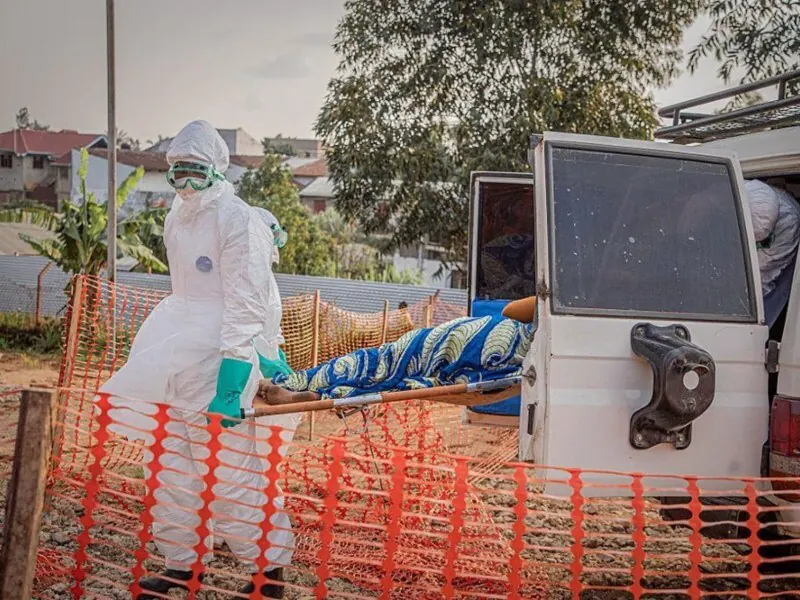
The Ebola epidemic in the Democratic Republic of Congo (DRC) continues to wreak havoc, with children being disproportionately affected. According to data from non-governmental organization Save the Children, at least seven children die daily from the disease. The virus, identified as Bundibugyo, has resulted in a significantly higher fatality rate among children under five, with 61% of this age group succumbing to the disease.
The Save the Children report highlights the severity of the situation, with 2,071 minors contracting the disease and 961 children losing their lives since May 15. This translates to nearly one in every two infected children dying from Ebola. The overall fatality rate for the virus stands at 48%, but among children, it is alarmingly higher. The organization also notes that the epidemic has grown by almost a quarter in just over three weeks, from 6,604 confirmed cases to 8,116 by the end of September.
The DRC authorities have reported a total of 8,224 infected individuals and 3,982 deaths. This outbreak is now the second deadliest in the global history of the disease. Save the Children also reports that outside of treatment centers, a humanitarian crisis is unfolding, with at least 180 children losing both parents or primary caregivers due to Ebola. The organization is working to provide support to these vulnerable children.
The Ebola outbreak currently affects 63 health zones across seven provinces in the DRC, including Ituri, North Kivu, South Kivu, and South Ubangi. Health authorities are closely monitoring the situation, trying to mitigate the impact of the virus, for which there is currently no approved vaccine or specific treatment. The situation remains dire, with the epidemic continuing to spread.
According to Save the Children, the crisis is having a devastating impact on children, who are already vulnerable. The organization is calling for urgent action to address the situation and prevent further spread of the disease. The DRC government, along with international partners, is working to respond to the crisis, but the situation remains challenging.
The World Health Organization and other global health authorities are also involved in the response efforts, providing technical assistance and support to the DRC government. The situation is being closely monitored, and efforts are being made to contain the outbreak and prevent further spread. The impact of the epidemic on children and communities is a major concern.
As the situation continues to unfold, the international community is urged to provide support to the DRC government and the affected communities. The crisis is a reminder of the need for continued investment in global health infrastructure and preparedness to respond to emerging health threats. The response efforts will require sustained support to bring the epidemic under control.
Key points
- The Ebola epidemic in DRC has resulted in a 61% fatality rate among children under five.
- At least seven children die daily from Ebola in DRC.
- The epidemic has grown by almost a quarter in just over three weeks, from 6,604 confirmed cases to 8,116.