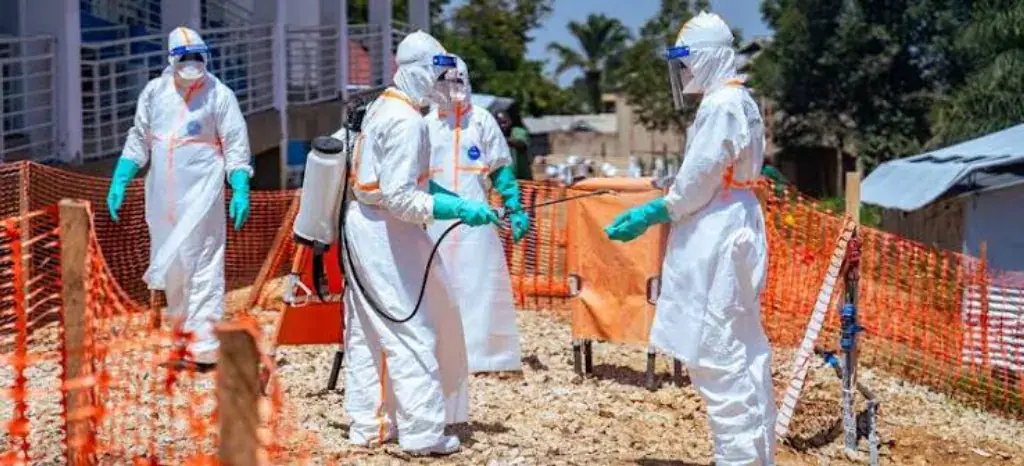
The Ebola epidemic in the Democratic Republic of Congo has continued to spread, with the World Health Organization (WHO) reporting over 11,200 cases and 5,500 deaths since the outbreak was declared six months ago. The virus, which belongs to the Bundibugyo strain, has spread to 67 health zones in eight provinces, with 400 to 500 new infections reported every week. The WHO has noted that despite progress in controlling the virus in initial epicenters, the epidemic continues to pose significant challenges.
Children are disproportionately affected by the epidemic, making up over a quarter of confirmed cases and a third of all deaths. Seven in ten children under the age of five with confirmed diagnoses have died. The WHO has also observed that contact tracing remains below targets, and a high proportion of deaths occur in communities, indicating that infections are being detected late. According to the Africa CDC, 80% of new infections are detected outside of health surveillance systems.
The epidemic has been exacerbated by insecurity in the region, with over 80 attacks on health facilities reported since the outbreak began. The Africa CDC has appealed for the establishment of protected routes through collaboration between the UN mission, Congolese forces, and the African Union. At least 74 health workers have died and 445 have been infected since the epidemic was declared.
Despite the challenges, the WHO has noted that joint mobilization by nearly 100 humanitarian and health partners has helped contain rapid transmission in initial outbreaks. In Bunia, the capital of Ituri province and an epicenter of the outbreak, the number of new infections has been reduced by half, and treatment centers have low occupancy rates.
The WHO has highlighted the need for sustained support to consolidate gains made in controlling the epidemic. The organization has called for rapid and flexible financing until 2027, accompanied by political commitment and attention to parallel crises such as food insecurity and acute malnutrition. The situation remains fragile, with the risk of cross-border transmission persisting.
Recent imported cases detected in Kenya and Nigeria have underscored the risk of spread to other countries. The Africa CDC has estimated that 5,000 more health workers are needed to respond to the epidemic. The situation is further complicated by delays in paying salaries to frontline health workers, which has created tension and hindered the response.
The WHO has reported significant increases in diagnostic capacity, with the number of laboratories able to diagnose Ebola increasing from two to over 20. Almost 2,000 beds have been made available in 104 treatment and transit centers, and around 3,000 patients have recovered from the disease. The organization has urged the international community to maintain its support to bring the epidemic under control.
Key points
- The Ebola epidemic in the Democratic Republic of Congo has claimed over 5,500 lives since it was declared six months ago.
- Children under five are disproportionately affected, with seven in ten confirmed cases resulting in death.
- The WHO has called for sustained support, including rapid and flexible financing, to consolidate gains made in controlling the epidemic.
Reporting sources
- Ébola: OMS alerta que epidemia continua a alastrar na República Democrática do Congo · Expresso das Ilhas