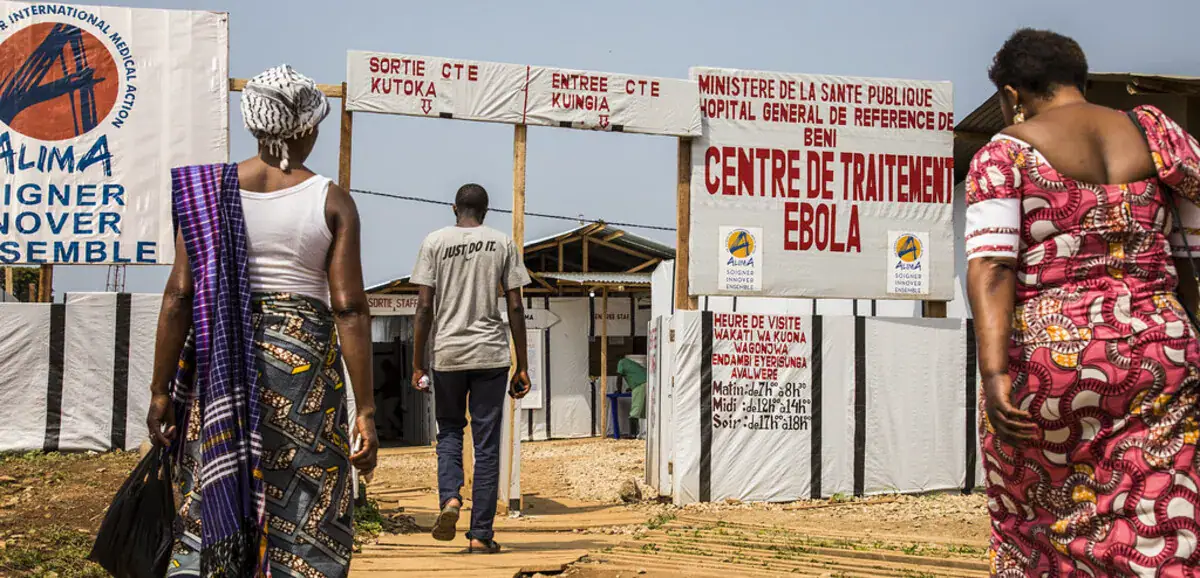
A recent UNICEF survey has revealed that the Ebola epidemic in the Democratic Republic of Congo's (DRC) Ituri province has led to a significant increase in violence against women and girls. The survey, which interviewed 1,062 women and adolescents in five health zones, found that nearly six in ten respondents reported experiencing violence or abuse that started or worsened since the outbreak began. This surge in violence is attributed to various factors, including restrictions on movement, quarantine measures, and family isolation.
The survey, conducted in partnership with the Congolese organization SOFEPADI and the University of Washington, highlights the dire consequences of the epidemic on the social well-being of women and girls. Seven in ten respondents reported living in households affected by these measures, with nearly two-thirds citing an increase in abuse. The types of violence reported include psychological, emotional, physical, and sexual abuse, as well as increased control over women's movements, financial resources, and phone use.
The crisis has also complicated access to protection services, with fear of contamination, shame, and stigma deterring victims from reporting abuse. This is reflected in the reduced number of visits to SOFEPADI's support structures, which decreased from 3,548 between July and September to 1,183 between January and March. Sandrine Lusamba, national coordinator of SOFEPADI, emphasizes that the fight against Ebola must not overshadow the plight of women experiencing violence in their homes and daily lives.
Since June, UNICEF and its partners have supported over 3,300 victims of gender-based violence in Ituri and North Kivu. However, funding for protection programs remains insufficient, with a 76% deficit. The organization is calling for increased support to strengthen community services, maintain secure spaces, and develop confidential reporting mechanisms to enable victims to access medical care and psychological support.
The situation in Ituri remains precarious, with ongoing security concerns and recent clashes near the Akwe hospital forcing medical teams and World Health Organization (WHO) personnel to seek refuge. The WHO has also temporarily relocated its response teams from Mongbwalu. In this region ravaged by years of armed violence, the Ebola epidemic has exposed another urgent need: ensuring the safety and protection of women and girls, alongside medical care for the population.
The UNICEF survey underscores the need for a comprehensive response to address the intersecting crises of Ebola and violence against women. The organization is urging stakeholders to prioritize the protection of women and girls, including through increased funding for programs aimed at preventing and responding to gender-based violence. This effort is crucial to mitigating the long-term impacts of the epidemic on the well-being and safety of women and girls in Ituri.
As the situation continues to unfold, humanitarian organizations and the international community must work together to address the complex challenges facing women and girls in Ituri. This includes not only providing medical care and support for Ebola survivors but also ensuring that victims of violence receive the protection and services they need to recover and rebuild their lives.
Key points
- Nearly 6 in 10 women and girls surveyed in Ituri, DRC, report experiencing violence and abuse since the Ebola outbreak began.
- The Ebola epidemic has exacerbated existing social and economic challenges faced by women and girls in Ituri, including increased control over their movements and resources.
- Funding for protection programs aimed at addressing gender-based violence in Ituri remains insufficient, with a 76% deficit.