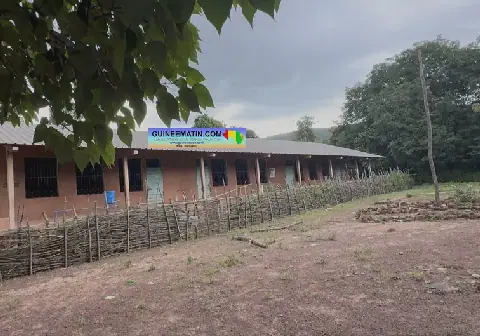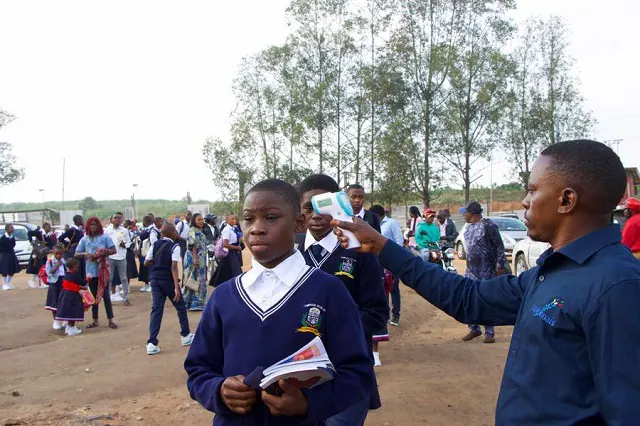
The ongoing Ebola outbreak in the Democratic Republic of Congo (DRC) is significantly disrupting education for 1.8 million children in eastern regions. According to the Norwegian Refugee Council (NRC), fear of Ebola, inadequate infection prevention measures, poor hygiene facilities, and limited psychosocial support are affecting school operations and attendance. The DRC Education Cluster reports that about 5,700 schools in Ebola-affected areas lack infection prevention and control measures.
The NRC warns that nearly 90 per cent of pupils in affected areas have not received support related to hygiene and sanitation. Over 98 per cent of unreached children are in Ituri, North Kivu, and Haut-Uélé, where ongoing Ebola transmission remains a major concern. The organisation is calling for urgent investment in schools to ensure children can learn in safe environments, particularly in provinces with ongoing Ebola transmission.
The crisis is compounding years of educational disruption caused by conflict and displacement in eastern DRC. Many children had already lost significant time in school due to these factors. Since the new school year began, several schools in Bunia, the epicentre of the outbreak, have reported low attendance. Parents cite fears of Ebola transmission and inadequate infection prevention measures as reasons for keeping their children at home.
The outbreak is also affecting children psychologically. Teachers in Ituri report that some children become frightened and run away when they see humanitarian vehicles or personnel, associating them with the Ebola response. The NRC is responding by providing psychosocial support through its Better Learning Programme (BLP), which helps children manage stress and anxiety and develop a greater sense of safety.
The NRC's emergency team leader, Silvia Beccacece, says fear and misinformation are increasing the risks associated with the outbreak. The organisation is working with communities to provide clear and accessible information about Ebola, including how it spreads, how people can protect themselves, and the role of humanitarian organisations in the response.
The current outbreak has recorded 8,442 confirmed Ebola cases and 4,080 confirmed deaths, making it the largest and deadliest Ebola outbreak in DRC's history. With transmission continuing in Ituri, North Kivu, and Haut-Uélé, humanitarian and health organisations stress that protecting children's access to education requires stronger infection prevention measures and sustained psychosocial support.
The World Health Organisation estimates that children under five have the highest case fatality ratio, at over 60 per cent, compared with about 40 per cent among adults. The NRC is scaling up its response in eastern DRC, including support to affected communities and schools through psychosocial interventions under the Better Learning Programme.
Key points
- The Ebola outbreak has disrupted education for 1.8 million children in eastern DRC.
- Nearly 90 per cent of pupils in affected areas have not received support related to hygiene and sanitation.
- The NRC is calling for urgent investment in schools to ensure children can learn in safe environments.